Jumbo Roll Scrim Backing Fabric

- All
- Product Name
- Product Keyword
- Product Model
- Product Summary
- Product Description
- Multi Field Search
Views: 0 Author: Site Editor Publish Time: 2026-02-03 Origin: Site


Have you ever wondered how to achieve the perfect print or filtration result? The key may lie in choosing the right polyester mesh.
In this article, we’ll explore the importance of mesh count and how it impacts various applications.
You’ll learn how to measure mesh count accurately and select the right one based on ink type, substrate, and artwork details.
Polyester mesh is a durable, flexible fabric made from polyester fibers, commonly used across various industries due to its strength and versatility. It is typically woven or knitted to form a grid-like structure that can be adapted for different applications, such as screen printing, filtration, and textiles. The material’s resilience makes it ideal for use in environments that require long-lasting performance, even under stress.
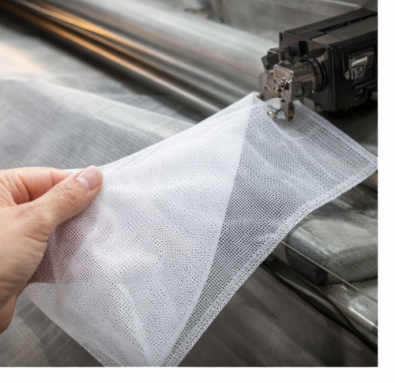
Polyester mesh is widely used in industries like screen printing, filtration, and textiles. Here’s a breakdown of its most common applications:
● Screen Printing: Polyester mesh is the base material used for creating stencils in the screen printing process. It allows ink to pass through specific areas, transferring designs onto various surfaces.
● Filtration: Used to separate particles of varying sizes in industrial processes. Its chemical resistance and durability make it perfect for both liquid and solid filtration.
● Textiles and Upholstery: Polyester mesh is also used in the production of upholstery fabrics and automotive interiors, providing strength and flexibility without compromising on comfort.
Mesh count refers to the number of threads per linear inch in a mesh, which directly impacts the quality and precision of the material. Higher mesh counts result in smaller openings, suitable for fine details, while lower mesh counts feature larger openings for bolder prints or heavier ink deposits. Below is a summary of how mesh count influences the result in different applications:
Mesh Count Range | Application | Result |
Low Mesh Count (30-90) | Heavy ink deposits, glitter inks, rough substrates | Allows more ink flow for bold designs |
Mid Range (100-180) | General-purpose printing, standard designs | Balanced ink flow and detail |
High Mesh Count (200+) | Fine details, intricate designs, smooth surfaces | Smaller openings for high-precision prints |
In screen printing, the mesh count determines the level of detail that can be achieved. For example:
● Low mesh counts (e.g., 60-110) are ideal for bold, solid colors and thick inks, where more ink needs to pass through the mesh.
● Higher mesh counts (e.g., 200+) are used for intricate designs or fine details, as the smaller openings prevent the ink from bleeding and ensure sharper prints.
In filtration, mesh count is vital for determining the size of particles that can pass through. A high mesh count filters out smaller particles, while a low mesh count allows larger particles to pass through. The choice of mesh count in filtration applications depends on the specific material being processed and the desired separation.
Selecting the right mesh count is essential for achieving optimal results in both screen printing and filtration applications. Consider the following factors when choosing the appropriate mesh count:
● Ink Type: Thicker inks (such as plastisol) require lower mesh counts, while thinner inks (like water-based inks) benefit from higher mesh counts.
● Substrate: Materials like fabrics (e.g., fleece) require lower mesh counts to allow sufficient ink penetration, while non-porous surfaces (like paper) need higher mesh counts to prevent ink bleeding.
● Artwork Detail: More detailed artwork requires higher mesh counts for precision, while simple designs can use lower mesh counts.
To accurately measure polyester mesh count, a few basic and specialized tools are commonly used, each designed to offer precision depending on the level of detail required. Below is a table summarizing these tools and their functions:
Tool | Description | Use Case |
Ruler | A simple tool for measuring the number of threads manually. | Best for quick, general assessments of mesh count. |
Mesh Gauge | A tool with slots that match standard mesh sizes for accuracy. | Ideal for fast, precise mesh count measurement. |
Calipers/Micrometers | Precision tools for measuring wire diameter. | Used for calculating opening size and mesh count accuracy. |
These tools help determine both the mesh count (number of threads per linear inch) and the opening size (gap between threads), essential for deciding whether a specific polyester mesh is suitable for a given application.
One of the simplest methods for measuring polyester mesh count is the manual counting technique, which can be done with a ruler. Here’s a step-by-step guide:
1. Lay the Mesh Flat: Place the polyester mesh on a smooth, clean surface. Ensure it is fully stretched to avoid wrinkles that may distort the measurement.
2. Mark a 1-Inch Line: Use a ruler to mark a 1-inch segment on the mesh. This section should be clear of any distortions or defects.
3. Count the Threads: Carefully count the number of threads that fall within the 1-inch span. The threads should be counted from one edge to the other, including any visible openings between the threads.
4. Record the Mesh Count: The number of threads you counted is the mesh count. For example, if you counted 110 threads in one inch, the mesh count is 110.
This method works best for coarse meshes but may be more challenging for finer meshes, where tools like mesh gauges or calipers are preferred.
For greater accuracy, mesh gauges provide a more reliable method for measuring mesh count, particularly when dealing with fine threads. Here's how they simplify the process:
● Place the Mesh in the Gauge: Fit the mesh into the appropriate slot of the gauge. The gauge slots are designed to match specific mesh counts, allowing for an instant and precise reading.
● Check the Reading: Once the mesh is properly aligned, the gauge will show the corresponding mesh count. This method is faster than manual counting and ensures a more accurate measurement.
.
The viscosity of the ink used in screen printing significantly affects the choice of mesh count. Inks with different viscosities behave differently when passed through the mesh, which influences the mesh count needed for optimal results.
● Plastisol Inks: These are thick, heavy inks often used for bold designs. A lower mesh count (typically around 60 to 110) is suitable for plastisol inks because it allows more ink to flow through, ensuring solid coverage and opacity. The larger openings in lower mesh counts help these thick inks pass through more easily, producing the desired vibrant and opaque prints.
● Water-Based Inks: These inks are much thinner and require finer mesh counts (typically around 200 to 305). The smaller openings in higher mesh counts help prevent these inks from bleeding or flooding the design. This is crucial for achieving crisp, clean lines and fine details in the artwork.
By selecting the appropriate mesh count based on the ink type, printers can achieve the best print quality, ensuring that the right amount of ink is deposited on the substrate without compromising the design’s clarity or texture.
The type of material being printed on also plays a key role in determining the right mesh count. Different substrates have varying degrees of porosity, which can affect how much ink the mesh should allow to pass through. Below is a breakdown of how substrate material influences mesh count selection:
Substrate Material | Recommended Mesh Count Range | Reason |
Fabric (e.g., cotton, fleece) | 60–160 | Fabric absorbs more ink, so lower mesh counts are ideal for adequate ink penetration. |
Paper | 200–305 | Paper is non-porous, so higher mesh counts are required to prevent ink bleeding and ensure sharp details. |
Glass or Non-Porous Materials | 230–305 | Smooth, non-absorbent surfaces need higher mesh counts to control ink deposit and maintain print detail. |
Choosing the right mesh count based on the substrate ensures that ink is deposited appropriately, preventing issues such as ink bleeding or insufficient coverage.
The level of detail in the artwork is another important factor when selecting mesh count. Different designs, from simple logos to intricate artwork, require different mesh counts to achieve the best print results.
● Simple, Bold Designs: These designs typically require a lower mesh count (60–110). Larger openings allow for a thicker ink deposit, ensuring that solid colors are evenly applied, especially for designs with less intricate detail.
● Intricate or Detailed Artwork: Designs with fine lines, halftones, or small text require a higher mesh count (200+). Smaller openings in higher mesh counts prevent ink from bleeding into fine details, ensuring the sharpness and clarity of the artwork. Higher mesh counts are ideal for detailed prints, where precision is paramount.
The mesh count adjustment based on artwork complexity helps in achieving prints that are not only visually appealing but also meet the required level of detail without compromising on quality.
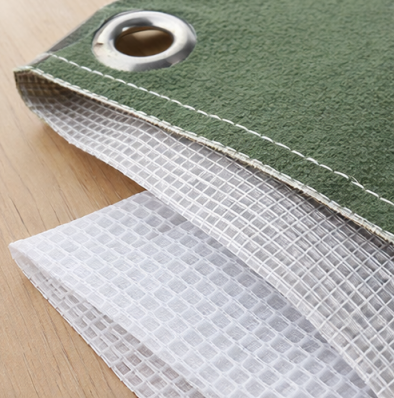
Low mesh counts are ideal for printing applications that require heavy ink deposits or specialty inks, such as glitter and metallic inks. These meshes, with larger openings, allow more ink to pass through, making them suitable for designs that need thick, opaque layers of ink.
● Heavy Ink Deposits: A low mesh count (e.g., 30-60) allows thicker inks like plastisol to flow through more easily, making them ideal for designs with bold colors or large areas of solid ink.
● Glitter and Specialty Inks: For printing with glitter or large particle inks, a lower mesh count (e.g., 60-90) is essential. The larger openings accommodate the bigger particles, ensuring a smooth and consistent print.
Low mesh counts are typically used in applications like t-shirt printing, sweatshirts, and specialty textiles, where bold designs or vibrant prints are required.
Mid-range mesh counts offer a balance between ink flow and detail, making them versatile for general-purpose printing. These mesh counts are the go-to option for a wide variety of screen printing tasks.
● Versatile Printing: Mesh counts between 100 and 180 are perfect for most standard designs, especially when printing on fabrics such as cotton or polyester. The mesh openings are large enough to allow for adequate ink flow, but small enough to provide good detail.
● Popular for General Use: These mesh counts work well with standard plastisol inks, ensuring proper ink deposition without excess bleeding or flooding. They are commonly used in t-shirt printing, poster designs, and simple graphics.
These mesh counts strike a great balance, making them suitable for both detailed and bold designs, depending on the ink and substrate used.
High mesh counts are necessary when precision is required, particularly for fine lines, intricate details, and smooth finishes. These mesh counts are ideal for designs that involve small text, halftones, or fine artwork.
● Fine Detail and Precision: Mesh counts of 200 and above (e.g., 230, 305) have smaller openings that are essential for achieving high-detail prints. These mesh counts prevent ink from flooding into fine lines and ensure crisp, sharp designs.
● Smooth Surfaces and Thin Inks: High mesh counts are used for printing on smooth surfaces like paper, glass, and fine fabrics, as they control the ink deposit and prevent bleeding, which is particularly important when using water-based inks or UV inks.
These high mesh counts are perfect for high-end screen printing applications such as fine art prints, photorealistic designs, and detailed logos.
Mesh Count Range | Use Case | Typical Applications |
30-90 | Heavy ink deposits, glitter inks, rougher surfaces | T-shirt printing, specialty inks, bold designs |
100-180 | General-purpose printing, versatile for most designs | Standard fabrics, simple graphics, logos |
200+ | Fine details, high precision, thin inks | Photorealistic designs, fine art, paper, glass |
.
The viscosity of the ink plays a crucial role in determining the appropriate mesh count for a particular screen printing application. Inks with varying thicknesses flow through mesh differently, and choosing the right mesh count ensures that the ink is deposited in the desired manner.
● Thick Inks (e.g., Plastisol): For thick inks, such as plastisol, a lower mesh count (30–90) is required. The larger openings in lower mesh counts allow these thick inks to flow more freely, depositing a heavier layer of ink on the substrate. This is ideal for printing designs that require bold, opaque coverage or specialty inks like metallic or glitter.
● Thin Inks (e.g., Water-Based Inks): Thinner inks, like water-based inks, require a higher mesh count (200–305). These inks are more fluid and need a finer mesh to prevent excessive ink flow and maintain print quality. Higher mesh counts help achieve more intricate details and finer lines, as they restrict the ink flow, ensuring that the print stays sharp and controlled.
By matching the mesh count to the ink viscosity, printers can ensure that the right amount of ink is deposited, achieving the desired print effect without ink bleeding or flooding.
Mesh count also significantly impacts the texture and finish of the print, particularly in how much ink is deposited on the substrate. The chosen mesh count can either produce a thick, textured print or a soft, smooth finish, depending on the design and desired effect.
● Heavier Ink Deposit: For designs that require a thick ink deposit, lower mesh counts (60–110) are ideal. This is typically used for bold, graphic prints or designs that need to stand out with a dense, solid color.
● Softer Finish: If the goal is a softer hand feel on fabric or a more delicate print, higher mesh counts (200+) should be used. These mesh counts deposit a thinner layer of ink, which results in a finer, smoother finish. This is especially beneficial when working with lighter fabrics or when printing fine details, such as halftones or small text.
Adjusting the mesh count based on the desired print texture ensures that the final product meets both aesthetic and functional requirements, whether for a durable, bold design or a soft, subtle print.
The material being printed on, or the substrate, greatly affects the choice of mesh count. Different substrates absorb ink differently, and the right mesh count ensures the ink adheres properly and does not bleed or fail to cover the intended areas.
Substrate Material | Recommended Mesh Count Range | Reason |
Fabric (e.g., cotton, fleece) | 60–160 | Fabrics are absorbent, requiring lower mesh counts for adequate ink penetration and coverage. |
Paper | 200–305 | Paper is non-porous, so higher mesh counts ensure ink control and prevent bleeding. |
Smooth, Non-porous Surfaces (e.g., glass, metal) | 230–305 | Smooth surfaces require finer mesh to control ink flow and preserve fine details. |
Understanding mesh count is crucial for achieving precise results in screen printing and filtration. By selecting the appropriate mesh count, you ensure the right ink flow and design detail.
When choosing a mesh, consider the ink type, substrate material, and desired artwork finish. For tailored solutions, Taixing Cinfudy Textile CO., LTD. offers high-quality polyester mesh products that meet rigorous standards and provide durability and flexibility for diverse applications.
A: Polyester mesh is primarily used in screen printing and filtration systems. Its durability, chemical resistance, and flexibility make it suitable for a variety of applications, including textiles, automotive interiors, and high-precision filtering tasks.
A: The correct polyester mesh selection depends on factors like ink type, substrate material, and the desired level of detail in the design. Higher mesh counts are required for fine details and thinner inks, while lower counts are suited for bolder designs and heavy ink deposits.
A: Polyester mesh count directly affects ink flow and print precision. A lower mesh count allows for more ink to pass through, while a higher mesh count reduces ink flow, ensuring finer details and preventing ink bleeding in intricate designs.
A: Yes, polyester mesh can wear over time, especially with high ink deposits or abrasive materials. Regular cleaning, proper storage, and checking mesh tension can help maintain performance and extend the mesh's lifespan.
A: Polyester mesh is generally more cost-effective than metal meshes, offering a good balance between performance, durability, and affordability, especially in applications requiring flexibility and resistance to chemicals.


