Jumbo Roll Scrim Backing Fabric

- All
- Product Name
- Product Keyword
- Product Model
- Product Summary
- Product Description
- Multi Field Search
Views: 0 Author: Site Editor Publish Time: 2025-11-12 Origin: Site


When it comes to footballs, the quality of the woven lining can make all the difference. A poor lining can affect performance and durability, leading to more frequent replacements. In this article, we'll explore the key features of football woven linings and why selecting the right one is crucial for your ball's longevity and playability. You'll learn about the materials, benefits, and customization options that help improve your game and ensure better performance on the field.
Football woven lining is an essential component that plays a key role in a football's performance and durability. Positioned between the outer surface and the inner bladder, it helps maintain the ball's shape and integrity during play.
The woven lining is made from high-strength fibers, typically polyester or a blend of polyester and cotton. It is strategically placed inside the football to reinforce its structure, providing strength and preventing deformation. This material plays a crucial role in ensuring the football remains intact, even under the pressure of repeated kicks and impacts.
The woven lining offers significant support to the entire structure of the ball, ensuring it stays stable and durable throughout use. It distributes the force from kicks evenly, enhancing control and comfort during play. Without this lining, the ball would lose its shape more quickly and wear down faster. It also helps absorb impact, which reduces the vibration players feel when the ball is kicked.
Feature | Benefit |
Material Composition | High-strength fibers ensure durability and tear resistance. |
Shape Retention | Keeps the ball round even after intense use. |
Impact Absorption | Cushions kicks and absorbs shock for better playability. |
Moisture Resistance | Prevents moisture absorption, maintaining performance. |
In essence, the football's woven lining is vital for keeping the ball in shape and performing at its best in both professional matches and casual games.
When choosing the right woven lining for a football, there are several important features to consider. These include material composition, structural performance, and the weaving process. Each factor plays a vital role in ensuring the football’s durability, performance, and overall playability.
The material used for the woven lining is one of the most crucial aspects. High-strength polyester fibers are commonly used due to their superior durability compared to synthetic alternatives. These fibers resist wear and tear better, ensuring the football lasts longer even with frequent use.
Moisture resistance is another essential feature. Woven linings with moisture-resistant properties help maintain the ball’s performance in various weather conditions. This feature prevents moisture from seeping into the ball, which could lead to increased weight or degraded performance over time.
Material Type | Benefit |
High-Strength Polyester | Excellent durability and tear resistance. |
Synthetic Alternatives | Lower durability, more prone to wear and tear. |
Moisture-Resistant Lining | Helps maintain performance under wet conditions. |
The structural performance of the woven lining affects the football's overall integrity. Key factors like dimensional stability, tear resistance, and flexibility determine how well the ball performs under pressure.
Dimensional stability is crucial. The woven lining must resist stretching or shrinking under extreme temperatures or repeated impacts. If the lining loses its stability, the football will lose its shape and could become unusable after just a few uses.
Tear resistance is also vital. A football needs a lining that can withstand high-force impacts without ripping or fraying. This ensures the ball maintains its integrity, even after heavy use. Without tear resistance, the ball could easily suffer damage, compromising its performance.
Flexibility is the balance between rigidity and pliability. A good football lining must allow the ball to respond naturally during play, without being too stiff or fragile. This ensures players have optimal control over the ball, improving their overall experience.
Feature | Benefit |
Dimensional Stability | Ensures the ball maintains its shape. |
Tear Resistance | Prevents damage from impacts, prolonging life. |
Flexibility | Enhances playability and responsiveness. |
The way the woven lining is constructed—specifically the weaving process—has a significant impact on its density and performance. Different weaving patterns, such as plain and twill, result in varying levels of durability and flexibility.
Plain weave is one of the most common weaving types used for football linings. It provides a balance of strength and flexibility, making it suitable for most football types. Twill weave, on the other hand, offers higher density and more durability, which is ideal for footballs that undergo heavy use in training or matches.
The weaving process also affects the lining’s texture. A denser weave provides more support, which is important for maintaining the ball’s shape and performance over time. However, it’s important to strike the right balance, as too much density can lead to rigidity, making the football less responsive.
Weave Type | Impact on Performance |
Plain Weave | Provides strength and flexibility. |
Twill Weave | More durable and dense, ideal for heavy usage. |
High-Density Weave | Offers extra support but may reduce flexibility. |
The type of weave used for the lining will directly influence the football’s feel and performance. Depending on the desired outcome—whether it’s enhanced durability, flexibility, or a balance of both—choosing the right weave is essential. These three key features—material composition, structural performance, and weaving process—are the foundation for selecting a high-quality woven lining for footballs. By understanding their importance, you can make an informed decision about which type of lining best suits your needs, ensuring a durable, responsive, and high-performing football.
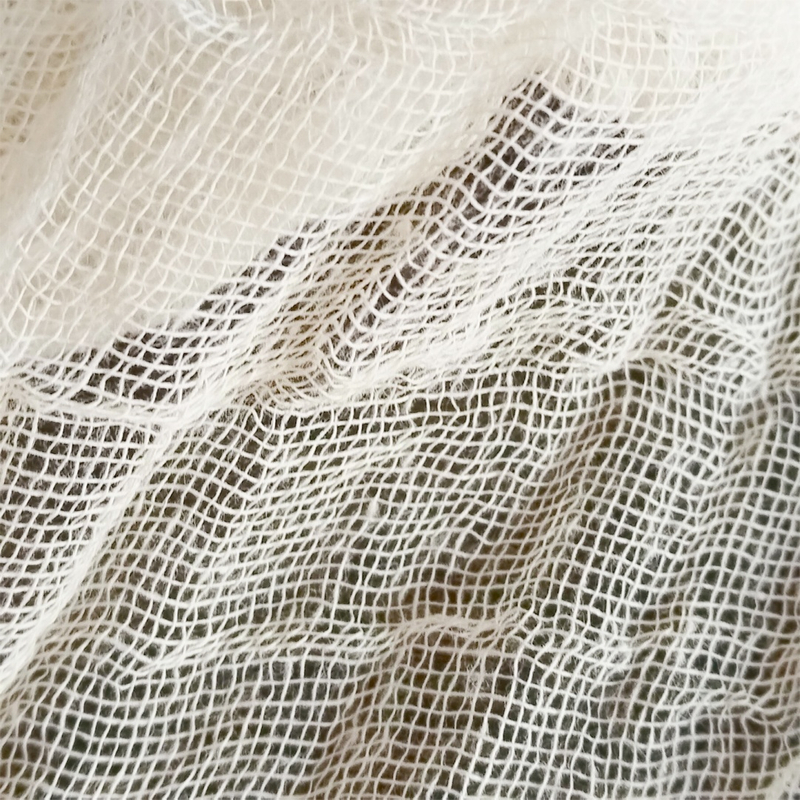
When selecting football linings, compatibility with different football types and customization options are crucial for achieving the desired performance. Depending on the intended use of the football—whether for professional matches or casual play—the lining can be adapted to meet specific needs. Customization options also allow for adjustments in thickness and weight, ensuring the ball performs optimally under various conditions.
Different footballs serve different purposes, from professional match balls to recreational training balls. The lining must be tailored to fit these varying requirements. For example, professional footballs require a lining that supports precision and consistency, while recreational balls may prioritize durability and comfort for casual play.
Professional footballs, often used in high-level matches, require linings that can withstand intense pressure and maintain the ball’s shape and flight stability. These linings need to be lightweight yet strong, ensuring the ball's responsiveness during play. On the other hand, recreational footballs, which are used in more relaxed settings, may have linings that focus on comfort and longer-lasting durability, as these balls are often used in a variety of weather conditions.
Football Type | Lining Requirements |
Professional Match Balls | Lightweight, responsive, shape retention. |
Training Balls | Durable, comfortable, able to withstand repeated use. |
Recreational Balls | More flexibility and resistance to wear. |
The thickness and weight of the woven lining are crucial factors in determining the ball's speed, durability, and playability. Thicker linings tend to be more durable, offering resistance to wear and maintaining the ball’s shape over time. However, they may also reduce the ball’s responsiveness, making it feel heavier during play.
Thinner linings, on the other hand, tend to make the ball faster, improving its flight and responsiveness. They allow for more flexibility but may sacrifice some durability. Therefore, the ideal lining thickness and weight must be carefully chosen based on the specific performance requirements.
For professional footballs, where performance and control are key, manufacturers often use thinner linings that enhance speed and flight stability. For training and recreational balls, slightly thicker linings might be used to ensure the ball’s longevity and ability to withstand constant use.
Customization of thickness and weight is a key advantage for manufacturers, allowing them to produce footballs that meet the specific needs of different users. Whether it’s optimizing for professional performance or ensuring durability for casual play, adjusting the lining’s properties is essential for creating the perfect ball.
Tip: Through careful adaptation and customization, manufacturers can produce footballs that excel in different conditions, whether on a professional field or in a more relaxed, recreational environment.
High-quality woven linings for footballs offer several advantages over inferior alternatives. These linings are designed to provide superior durability, strength, and stability, which directly impact the ball's performance. When comparing high-quality linings to cheaper, lower-grade options, the differences become clear in terms of longevity, stability in extreme conditions, and overall playability.
One of the biggest reasons high-quality woven linings outperform inferior alternatives is their durability. Linings made from premium materials, such as high-strength polyester, are built to withstand constant use. Inferior linings, on the other hand, are often made from weaker synthetic materials that break down more quickly, leading to faster wear and tear on the ball.
High-quality linings resist damage from impacts, friction, and abrasion, ensuring the ball retains its integrity even after repeated use. This is especially important for footballs used in professional matches or training, where the ball undergoes constant pressure from kicks, tackles, and environmental conditions.
Inferior linings tend to fray or tear more easily, which can lead to a loss of shape and responsiveness. As the lining deteriorates, the ball becomes less predictable and less enjoyable to play with. In contrast, a high-quality woven lining helps maintain the ball's shape and performance, offering consistent results.
Another key advantage of high-quality woven linings is their ability to maintain performance in extreme environmental conditions. Whether exposed to intense heat, cold, or moisture, high-quality linings remain stable, ensuring that the football performs consistently.
Inferior linings, however, often struggle in extreme conditions. For example, they may shrink or stretch in high temperatures, affecting the football's shape and flight stability. On a rainy day, low-quality linings might absorb moisture, making the ball heavier and less responsive.
Top-tier woven linings are designed to maintain dimensional stability regardless of the conditions. They resist stretching, shrinking, and moisture absorption, ensuring that the ball keeps its shape and plays smoothly in all weather. This is particularly important for professional athletes who rely on consistent ball performance during matches, no matter what the weather throws at them.
Condition | Performance of High-Quality Linings | Performance of Inferior Linings |
Extreme Heat | Maintains shape and stability. | May stretch or shrink. |
Cold Weather | Remains unaffected by low temperatures. | May lose shape or become stiff. |
Moisture | Moisture-resistant, maintains weight and bounce. | Absorbs moisture, becoming heavier. |
High-quality woven linings provide a consistent playing experience, regardless of environmental factors. This level of stability is crucial for footballs used at the professional level, where performance consistency is key. By choosing high-quality linings, manufacturers and players alike can ensure that their footballs deliver the best possible performance, whether in extreme weather conditions or intense gameplay scenarios.
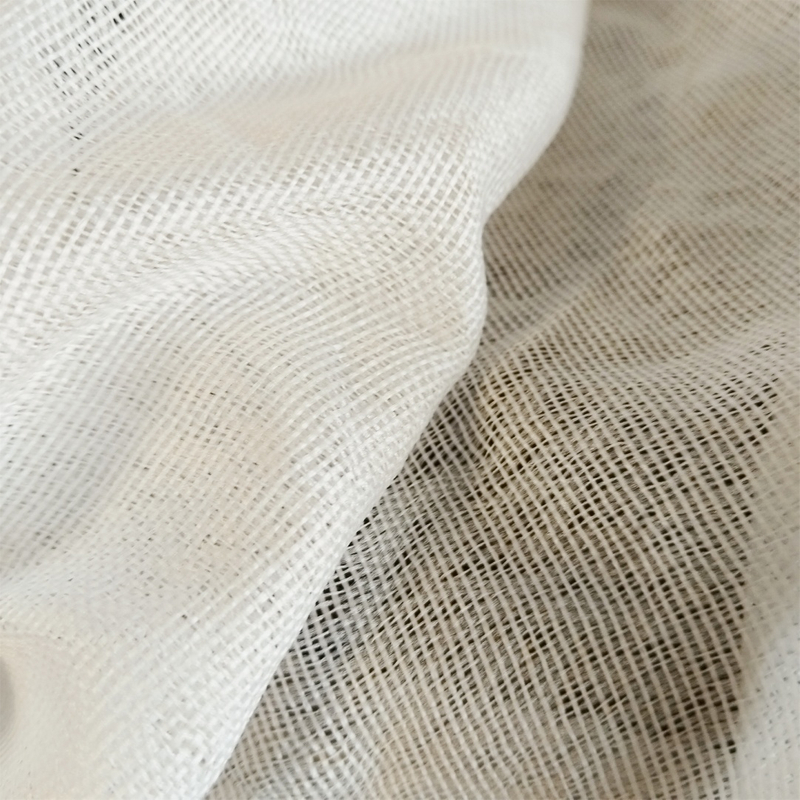
When it comes to manufacturing high-quality footballs, using the right woven lining is not just about performance—it also plays a significant role in streamlining production processes and enhancing cost-effectiveness. The choice of lining affects the entire manufacturing workflow, from the initial design to the final product. By focusing on these practical considerations, manufacturers can improve both efficiency and the bottom line.
High-quality woven linings are designed to integrate seamlessly into manufacturing workflows, making the production process smoother and more efficient. These linings are compatible with various composite materials used in football construction, such as synthetic leather, PU, or PVC. The right lining ensures strong bonding with these outer materials, which helps maintain the football's structural integrity.
Moreover, high-quality linings are often made with consistent thickness and texture, ensuring uniformity across mass production. This reduces the likelihood of defects, such as uneven lining or poor adhesion, which can lead to delays or costly rework. By ensuring that the lining performs well across all stages of production, manufacturers can reduce the time spent on quality control and focus on meeting production targets.
High-quality linings also allow for better flexibility in customization, making it easier for manufacturers to produce different types of footballs to meet specific market demands. This ability to adapt quickly to different production needs helps manufacturers stay competitive in the marketplace.
While high-quality woven linings may come at a higher initial cost, they offer long-term savings by reducing the need for frequent replacements and minimizing production waste. Durability is one of the key advantages of using premium materials. These linings can withstand repeated use, harsh weather conditions, and the physical stresses of a football match without compromising the ball’s performance.
For manufacturers, this means fewer returns, less wastage, and lower costs associated with product failures. For consumers, it translates into a longer-lasting football that does not need to be replaced as often, providing better overall value. Additionally, fewer replacements lead to a decrease in environmental impact, as less waste is generated from discarded, poorly performing footballs.
The long-term savings extend to the overall production process. High-quality linings help minimize defects and manufacturing errors, reducing the amount of materials wasted during production. They also lower the cost of after-sales support, as footballs with durable linings are less likely to face complaints or warranty claims.
By investing in high-quality woven linings, manufacturers not only improve the durability and performance of their products but also contribute to a more efficient and cost-effective manufacturing process. These practical benefits make the right choice of lining a smart decision for manufacturers aiming to improve both product quality and their bottom line.
Choosing the right woven lining is crucial for optimal football performance. High-quality linings enhance durability, stability, and impact absorption. Manufacturers and consumers should prioritize key features, such as material composition and structural performance, to ensure long-lasting use. Companies like CINFUDY offer superior products, providing value through durable, high-performance linings that meet the needs of both professional and recreational footballs. Their commitment to quality ensures excellent results, making their products a smart investment for football manufacturing.
A: Football woven lining is a durable material placed inside the ball to reinforce its structure, offering shape retention and impact resistance.
A: The right football woven lining ensures durability, stability, and consistent performance, preventing the ball from losing shape or tearing easily.
A: It enhances responsiveness, improves flight stability, and absorbs impact, making the football easier to control and more comfortable to play with.
A: Yes, football woven lining can be customized for different football types, adjusting thickness and weight for specific performance needs.
A: High-quality woven linings resist wear and tear, extending the football's lifespan by preventing rapid damage during intense play.


