Jumbo Roll Scrim Backing Fabric

- All
- Product Name
- Product Keyword
- Product Model
- Product Summary
- Product Description
- Multi Field Search
Views: 0 Author: Site Editor Publish Time: 2026-01-30 Origin: Site


Polyester Mesh is a versatile material used across many industries. Have you ever wondered why it's so widely used?
In this guide, we will explore the key properties and benefits of polyester mesh. You will discover its applications, strengths, and why it’s essential in industries like automotive, furniture, and filtration.
Polyester mesh is a versatile fabric made from polyester fibers woven or knitted into an open structure. The fabric's construction allows for the passage of air, making it lightweight and breathable. Polyester mesh is commonly used in a wide range of industrial and commercial applications, including filtration, automotive interiors, and safety equipment. Known for its durability and resistance to various environmental factors, this material offers strength and flexibility, making it ideal for industries that require both performance and longevity from their materials.
Polyester mesh fabrics are typically created using a synthetic process. The polyester fibers used in mesh fabrics are derived from petrochemical sources, specifically ethylene glycol and terephthalic acid. These fibers are then processed to form a sturdy material that can withstand various stresses and demands. The open-weave structure of the mesh contributes to its flexibility while maintaining its strength, offering numerous benefits for industrial use.
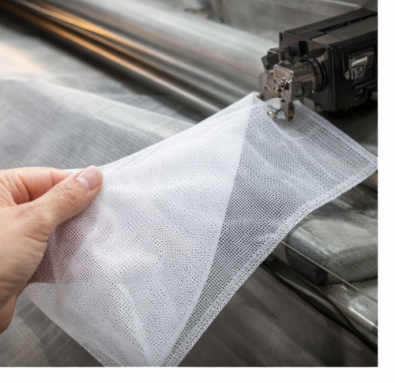
Polyester mesh differs from other mesh materials, such as nylon or cotton mesh, in several key areas, making it more suitable for specific applications.
● Hydrophobic Properties: Unlike nylon mesh, which is hydrophilic and absorbs moisture, polyester mesh is hydrophobic, meaning it repels water. This makes it more suitable for outdoor applications and environments where moisture resistance is crucial, such as in automotive interiors or outdoor advertising banners.
● UV and Heat Resistance: Polyester mesh has superior UV resistance and high-temperature tolerance compared to nylon. This makes it an ideal material for use in environments exposed to direct sunlight or high temperatures, such as in the aerospace and automotive industries.
● Durability and Strength: While nylon is known for its elasticity, polyester mesh is more durable and resistant to wear and tear. It is particularly advantageous in applications where the mesh will undergo frequent use or exposure to harsh chemicals and physical stresses.
● Cost-effectiveness: Polyester mesh is generally more affordable than many other types of mesh fabrics, making it an ideal choice for large-scale industrial applications that require a cost-effective solution without sacrificing performance.
The production of polyester mesh fabric typically follows a series of steps designed to create a high-performance material that meets the specific needs of various industries. Here’s an overview of the typical production process:
1. Fiber Spinning: The polyester fibers are created by polymerizing ethylene glycol and terephthalic acid, then extruding the resulting polymer through spinnerets to form long, continuous fibers.
2. Weaving or Knitting: Once the polyester fibers are prepared, they are woven or knitted into mesh fabric. Weaving produces a more rigid structure, while knitting creates a fabric with more flexibility and stretch.
3. Finishing: After the mesh is formed, it undergoes various finishing treatments to enhance its properties. These treatments can include heat-setting to stabilize the fabric, applying UV inhibitors to protect against sunlight degradation, or adding antimicrobial agents for hygiene applications.
4. Inspection and Quality Control: The finished polyester mesh is thoroughly inspected for defects, strength, and consistency. This step ensures that the mesh meets the required standards for its intended use.
5. Cutting and Packaging: Finally, the mesh is cut to the desired width and length, then packaged for distribution. In some cases, the mesh may be customized with specific colors or patterns to meet particular customer requirements.
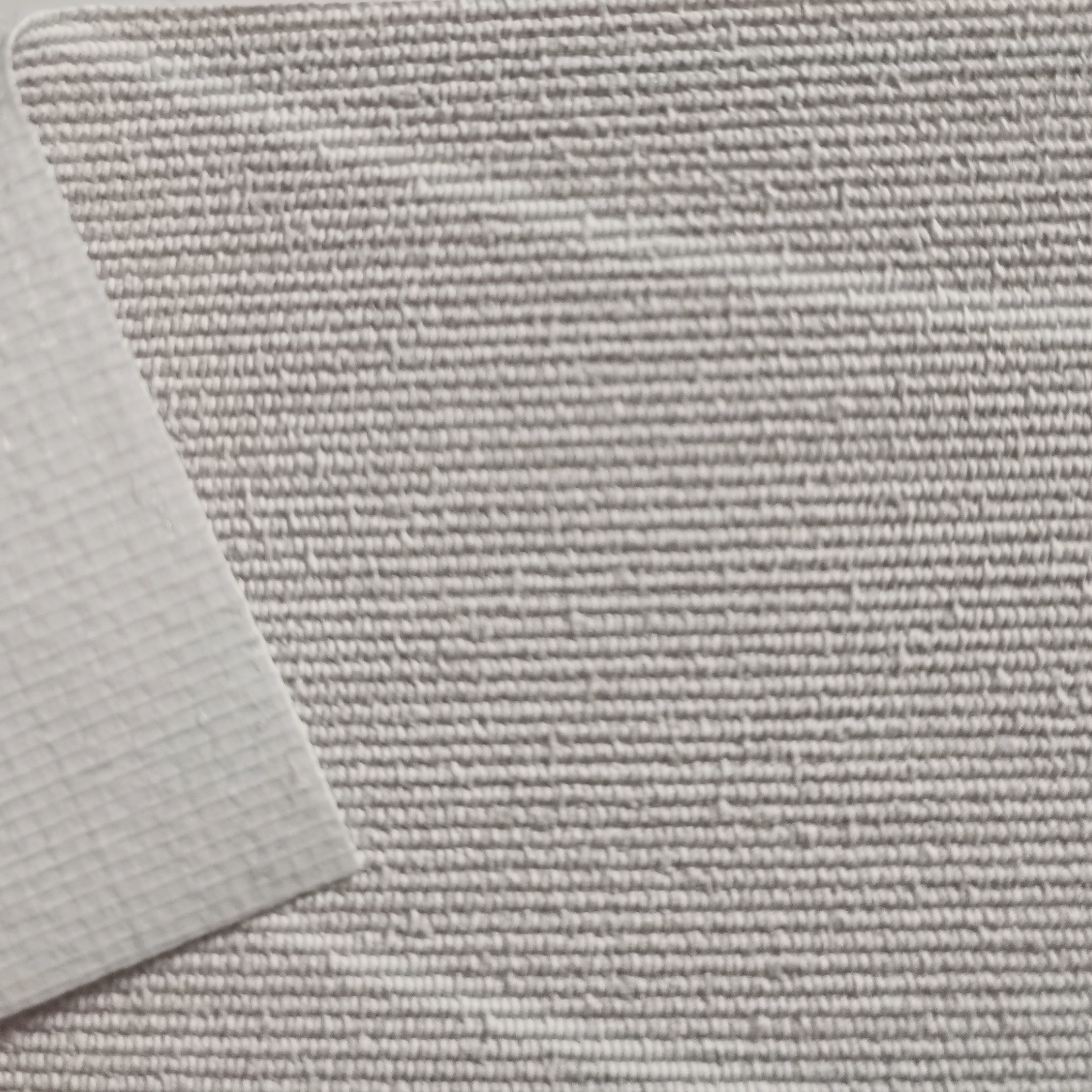
Polyester mesh is known for its excellent dimensional stability, meaning it retains its shape and size even under varying conditions. Unlike some fabrics that may stretch or lose form over time, polyester mesh maintains its structure, even when exposed to external forces such as stretching or pressure. This property makes it an ideal choice for applications where precision and consistent performance are crucial.
● Retains shape: Polyester mesh resists significant elongation, ensuring the material doesn’t warp or lose its shape.
● Long-term use: Ideal for applications requiring consistent performance over time, such as filtration or structural applications.
One of the standout features of polyester mesh is its hydrophobic nature. This means that it does not absorb water, unlike other fabrics such as cotton or nylon. As a result, polyester mesh is highly effective in environments where moisture resistance is essential. Whether used in outdoor applications like advertising banners or in automotive interiors where exposure to humidity is common, polyester mesh remains dry and unaffected by moisture.
● Moisture repellent: Remains dry in humid or wet conditions, ideal for environments exposed to moisture.
● Prevents mold and mildew: By repelling moisture, polyester mesh helps prevent the growth of mold and mildew, making it perfect for filtration systems.
Polyester mesh is engineered to withstand high levels of tension, making it incredibly strong and durable. With tensile strength values ranging between 500–800 MPa, polyester mesh can endure significant loads without tearing. This makes it suitable for a wide array of industrial applications, from filtration systems to safety gear.
Property | Value |
Tensile Strength | 500-800 MPa |
Use | Filtration, safety gear, structural applications |
● Long-lasting durability: Withstands wear, heavy use, and harsh conditions without losing strength.
● Resistant to deformation: Retains shape even under high stress, making it perfect for applications requiring strength and reliability.
Polyester mesh has superior resistance to both heat and ultraviolet (UV) radiation, which gives it an edge in outdoor and high-temperature applications. The material can withstand temperatures of up to 250°C (482°F) without losing its structural integrity, making it an excellent choice for industrial environments where heat exposure is common.
● UV resistance: Prevents degradation and discoloration when exposed to direct sunlight, ideal for outdoor uses like signage or tarps.
● Heat resistance: Can endure high temperatures, making it suitable for automotive and aerospace applications.
Polyester mesh is highly resistant to a range of chemicals, including acids, alkalis, and solvents. This makes it suitable for use in demanding industrial environments where exposure to chemicals is common. Whether used in filtration applications that involve oils and solvents or in environments with exposure to other chemicals, polyester mesh maintains its effectiveness and integrity.
● Chemical durability: Stands up to exposure to various chemicals without degrading.
● Versatile use: Ideal for industries where mesh material may come into contact with harsh substances.
● Breathability & Airflow: Polyester mesh’s open weave structure provides excellent airflow, making it ideal for filtration applications, particularly in industries like water treatment, air filtration, and environmental control. The material’s breathability ensures that air or liquid can pass freely through, while simultaneously filtering out contaminants.
● Durability & Strength: The inherent strength of polyester mesh allows it to be used in environments where durability is critical. Whether exposed to high temperatures, heavy use, or outdoor elements, polyester mesh retains its structure. For example, it is used in automotive interiors, providing long-lasting performance in seat upholstery and other components exposed to wear and tear.
Polyester mesh provides several key advantages that make it essential for various industrial applications. Its combination of strength, durability, and resistance to environmental factors allows it to perform well in challenging environments. This makes it an ideal material for industries such as automotive, filtration, and safety equipment, where reliability is paramount.
● Strength and Flexibility: Polyester mesh offers both strength and flexibility, making it adaptable to different forms and structures while withstanding significant stress.
● Environmental Resistance: The material’s resistance to heat, UV radiation, and moisture makes it well-suited for outdoor applications or environments exposed to extreme conditions.
One of the standout properties of polyester mesh is its breathability, which is especially useful in filtration applications. The open weave structure allows for air and liquids to pass through, making it highly effective in industrial filtration systems.
● Optimal Airflow: Polyester mesh ensures efficient airflow, which is crucial for maintaining performance in ventilation systems and air filtration.
● Effective Filtration: Its ability to trap particles while allowing airflow makes polyester mesh highly effective in filtering air or water, ensuring clean environments in industries such as water treatment or air purification.
Polyester mesh is known for its durability, allowing it to withstand prolonged use in harsh conditions. This characteristic makes it particularly valuable in industries requiring long-term performance without frequent maintenance or replacements.
Property | Benefit |
Long-lasting | Withstands wear, tear, and environmental degradation. |
Low Maintenance | Easy to clean and maintain, reducing operational downtime. |
Polyester mesh is a highly cost-effective material, offering excellent performance at a relatively low price point. This affordability makes it ideal for large-scale industrial applications where cost-efficiency is important.
● Affordable for Large-Scale Projects: The material’s cost-effectiveness makes it an attractive option for industries that need to use large quantities of mesh, such as in automotive interiors or furniture upholstery.
● High Value for Money: Despite its low cost, polyester mesh offers high durability and strength, providing great value for industries with large production needs.
As sustainability becomes more of a priority across industries, recycled polyester (rPET) is gaining popularity. Made from post-consumer waste such as plastic bottles, rPET reduces the need for virgin polyester and lessens the environmental impact of production.
● Eco-Friendly Properties: Recycled polyester retains the same performance and durability as traditional polyester, making it a sustainable alternative without sacrificing quality.
● Reduced Environmental Footprint: Using rPET helps minimize waste, contributing to efforts to reduce landfill overflow and lower carbon emissions.
● Cost-Effectiveness: Polyester mesh’s affordability makes it suitable for large-scale projects like automotive interiors and furniture decoration. Its cost-effective nature allows manufacturers to produce durable products without increasing overall costs.
● Sustainability Impact: In 2026, recycled polyester (rPET) is set to become more widely used, especially in applications where sustainability is a priority. By offering the same level of durability and performance as virgin polyester, rPET contributes to eco-friendly manufacturing practices.
Polyester mesh is used extensively in flexible foam coating as a backing material, combining durability, flexibility, and aesthetic appeal. These properties make it ideal for several industrial applications.
Application | Benefit |
Outdoor Advertising | Long-lasting visibility in harsh weather conditions |
Automotive Interior | Wear resistance and comfort in car seats and upholstery |
Furniture Decoration | Flexibility and enhanced durability in upholstered furniture |
Coating Material | Strengthens coatings and adds reliability to the final product |
Adhesive Material | Provides structural support and durability in bonding |
Polyester mesh offers durability, flexibility, and resistance to environmental factors. Its unique properties make it essential for various industries, including automotive, furniture, and advertising. As sustainability trends grow, recycled polyester mesh (rPET) is gaining popularity. In the future, selecting the right polyester mesh for specific applications will be critical. Taixing Cinfudy Textile CO., LTD. provides high-quality polyester mesh that meets these demands, offering long-lasting, eco-friendly solutions for diverse industries.
A: Polyester Mesh is a durable, flexible material used across industries like automotive, filtration, and construction. It is known for its ability to withstand harsh conditions such as moisture, heat, and chemicals, making it ideal for applications requiring strength and flexibility.
A: Polyester Mesh offers superior resistance to chemicals and high temperatures, ensuring reliability in filtration systems. Its hydrophobic nature also prevents moisture absorption, which helps maintain efficiency over time.
A: Polyester Mesh is cost-effective due to its long lifespan and low maintenance requirements. Its resistance to wear, chemicals, and environmental factors reduces the need for frequent replacements, providing value in the long run.
A: The high strength and durability of Polyester Mesh contribute to reduced downtime and maintenance costs. Its breathable structure also ensures optimal airflow in filtration applications, improving system efficiency.
A: While Polyester Mesh is highly durable, it may not be suitable for extremely high-pressure applications. In such cases, materials with higher tensile strength may be required for optimal performance.


