Jumbo Roll Scrim Backing Fabric

- All
- Product Name
- Product Keyword
- Product Model
- Product Summary
- Product Description
- Multi Field Search
Views: 0 Author: Site Editor Publish Time: 2026-02-01 Origin: Site


Polyester mesh is becoming a go-to solution for construction projects. But with so many options available, how do you choose the right one?
In this guide, we will explore the essential factors to consider when sourcing wholesale polyester mesh for construction.
You’ll learn about key specifications, supplier evaluation, and cost considerations, helping you make informed purchasing decisions.
Polyester mesh is a synthetic fabric made from polyester fibers, woven into an open, grid-like structure. This construction allows for optimal breathability while maintaining strength and durability. It is designed to resist stretching and tearing, making it suitable for heavy-duty applications like construction and industrial use.
The key components of polyester mesh include high-tenacity polyester yarns that are treated to improve their performance against environmental factors. These treatments typically enhance properties like UV resistance, tensile strength, and chemical durability, ensuring the material can withstand harsh outdoor conditions.
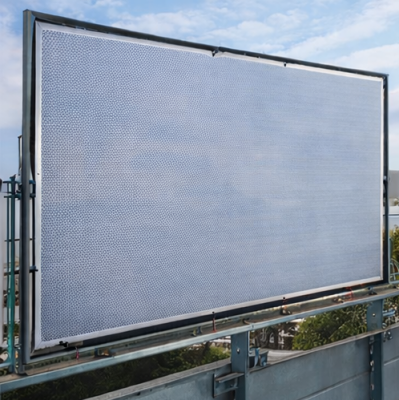
● Durability and Strength: Polyester mesh is highly resistant to wear and tear, which is crucial for construction sites that involve rough handling and exposure to heavy materials. The high tensile strength ensures that the fabric maintains its integrity over time, even under load-bearing conditions.
● UV and Weather Resistance: One of the standout features of polyester mesh is its ability to resist UV degradation. This makes it perfect for outdoor use, where prolonged exposure to sunlight can cause other materials to deteriorate. Polyester mesh also performs well in rain, wind, and temperature fluctuations, maintaining its structural integrity in varying weather conditions.
Polyester mesh is favored in construction due to its versatility and robust performance in demanding applications. Below are several reasons why it is commonly used:
● Filtration and Separation: Polyester mesh's fine, consistent weave is perfect for filtration purposes. Whether it is for water filtration in construction site runoff or for separating materials during aggregate processing, polyester mesh ensures efficiency and reliability.
● Erosion Control: The mesh is used in various erosion control applications, such as along riverbanks or in areas prone to soil displacement. Its UV resistance and durability make it an excellent choice for protecting vulnerable areas from the elements.
Feature | Benefit |
Durability and Strength | Highly resistant to wear and tear, ideal for heavy-duty construction. |
UV and Weather Resistance | Performs well under harsh sunlight, rain, and temperature changes. |
Cost-Effectiveness | Long lifespan and low maintenance reduce long-term costs. |
Easy Installation | Flexible and easy to cut and shape for different applications. |
Sustainability | Recyclable, supporting sustainable construction practices. |
Mesh weight, measured in grams per square meter (GSM), determines the fabric's density, which directly impacts its strength and durability. A higher GSM typically indicates a denser, heavier fabric that can withstand more stress and wear, making it more suitable for demanding construction applications.
For heavy-duty applications like reinforcement and erosion control, a higher GSM (350+ GSM) is often required. Lighter weights, however, may be more appropriate for temporary uses or less demanding applications. When choosing the right mesh weight, consider the environmental conditions and the specific requirements of your project, such as load-bearing capacity and exposure to the elements.
Tensile strength refers to the maximum amount of stretching force polyester mesh can withstand before breaking or deforming. This is a key consideration for construction materials, as it ensures the mesh can handle the mechanical stress and load conditions typically encountered on construction sites. Polyester mesh with higher tensile strength is more suitable for reinforcing structures, securing materials, and applications where heavy forces are at play.
Polyester mesh is frequently used in outdoor applications, where exposure to UV rays and chemicals is inevitable. UV stabilization is crucial for preventing the mesh from degrading when exposed to sunlight for extended periods. Without UV resistance, polyester mesh can lose its strength and flexibility, leading to premature failure.
Additionally, chemical resistance is important, especially in industrial or construction environments where the mesh may come into contact with substances such as oils, acids, or alkalis. A mesh with strong chemical resistance ensures that it will not deteriorate or lose its functional properties when exposed to harsh chemicals, making it a more durable choice for construction projects involving such materials.
Flame resistance is a critical specification for polyester mesh used in construction environments where fire safety is a concern. Flame-resistant polyester mesh is treated or manufactured with special coatings or fibers to prevent the spread of flames. This is particularly important in commercial and industrial construction, where compliance with fire safety standards is mandatory.
Specification | Consideration |
Mesh Weight (GSM) | Choose higher GSM for heavy-duty applications; lighter for temporary uses. |
Tensile Strength | Ensure mesh can withstand the mechanical stresses of the application. |
UV and Chemical Resistance | UV stabilization and chemical resistance are essential for outdoor and industrial use. |
Flame Resistance | Required for compliance with fire safety regulations in certain construction environments. |
One of the most critical steps in evaluating a supplier is requesting physical samples before placing a bulk order. This allows you to assess the quality of the polyester mesh firsthand, ensuring it meets the specifications you require for your project. Samples provide an opportunity to check the fabric’s texture, strength, color consistency, and overall performance under typical environmental conditions.
When reviewing samples, pay close attention to factors such as mesh density (GSM), tensile strength, UV resistance, and chemical treatment. This hands-on evaluation ensures that the supplier can meet your quality expectations and reduces the risk of receiving subpar materials when placing large orders.
Certifications are a valuable tool for verifying the quality of polyester mesh suppliers. They indicate that the supplier adheres to international standards for manufacturing processes, material quality, and safety. Key certifications to look for include:
● ISO Certifications: ISO 9001 and ISO 14001 indicate that the supplier follows recognized quality management and environmental management practices.
● Oeko-Tex Standard 100: This certification ensures that the mesh fabric is free from harmful chemicals, making it safe for use in various industries.
● BSCI or SEDEX: These certifications demonstrate that the supplier maintains ethical business practices, including worker safety and fair labor conditions.
These certifications not only ensure that the material is of high quality but also provide peace of mind that the supplier complies with industry standards and environmental regulations.
Researching a supplier’s reputation is crucial for verifying their credibility and reliability. One of the best ways to evaluate a supplier is by reading customer reviews and testimonials. Platforms like Alibaba, Made-in-China, and ThomasNet allow buyers to leave feedback, which can provide valuable insights into a supplier’s performance, product quality, and customer service.
In addition to reviews, consider researching the supplier through third-party platforms that specialize in supplier audits and verification. Services like SGS or Bureau Veritas offer factory audits that assess the supplier’s production capabilities, quality control processes, and compliance with regulatory standards. This added layer of verification can help ensure that you are working with a trustworthy supplier capable of delivering consistent, high-quality polyester mesh.
Evaluation Method | Key Considerations |
Requesting Samples | Check texture, strength, color, and performance before committing to bulk. |
Certifications | Ensure compliance with quality standards (ISO, Oeko-Tex, etc.). |
Supplier Reputation | Research reviews and third-party audits for credibility and reliability. |
Minimum Order Quantities (MOQs) refer to the smallest amount of product that a supplier is willing to sell per order. MOQs are typically set by manufacturers to ensure that they can maintain profitability and manage production efficiency. For polyester mesh, MOQs can vary depending on factors like the supplier’s production capacity, the type of mesh, and the customization required.
When sourcing polyester mesh, it's important to consider the MOQ as it can impact your costs and supply chain management. Some suppliers may offer flexible MOQs for repeat customers or for products that don’t require extensive customization. However, larger orders often come with cost benefits, such as reduced unit prices and better shipping terms. To navigate MOQs effectively:
● Negotiate: If the MOQ is higher than your needs, try negotiating a lower quantity, especially if you're testing a new supplier or ordering a product with minimal customization.
● Combine Orders: If possible, collaborate with other businesses to meet the MOQ, which can help reduce costs while sharing the order quantity.
● Plan Ahead: Ensure that your order volume aligns with your project requirements to avoid overstocking or shortages.
Understanding the logistics of polyester mesh sourcing is essential for a smooth procurement process. Key aspects to consider include production timelines, shipping terms (FOB vs. CIF), and the challenges of international shipping.
● Production Timelines: Manufacturing polyester mesh can take anywhere from a few weeks to several months depending on the complexity of the order. Always inquire about lead times and factor them into your project timeline to ensure on-time delivery.
● FOB vs. CIF:
○ FOB (Free on Board): The supplier covers costs up to the point the goods are loaded onto the ship. You are responsible for the shipping and insurance costs from that point onward. This option gives you more control over the shipping process but requires more coordination.
○ CIF (Cost, Insurance, and Freight): The supplier covers the shipping and insurance costs until the goods arrive at the port. While this option provides convenience and reduces your involvement in logistics, it can sometimes lead to higher costs due to the supplier’s markup on shipping.
● International Shipping Challenges: When sourcing polyester mesh internationally, especially from countries like China, challenges can arise with customs regulations, taxes, and import duties. It's important to work with a supplier that has experience in international shipping and can provide guidance on the necessary documentation and compliance. Additionally, ensure that your chosen shipping method aligns with your budget and delivery deadlines.
Logistics Factor | Considerations |
Production Timelines | Understand lead times and align them with your project schedule. |
FOB vs. CIF | FOB offers more control, but CIF simplifies shipping and insurance. |
International Shipping | Be prepared for customs duties, taxes, and shipping delays. |
When sourcing polyester mesh, it's essential to strike a balance between upfront costs and the material’s long-term performance. While polyester mesh may have an initial cost that seems higher compared to alternatives, its durability and minimal maintenance needs can offer significant savings over time. A higher-quality polyester mesh is more resistant to UV degradation, chemical damage, and physical wear, which means it will last longer and require fewer replacements.
Investing in high-performance mesh for demanding applications like construction ensures that you won’t need to replace the material frequently, which can be more cost-effective in the long run. By evaluating the mesh’s durability and maintenance requirements, you can make a well-informed decision that justifies the initial investment.
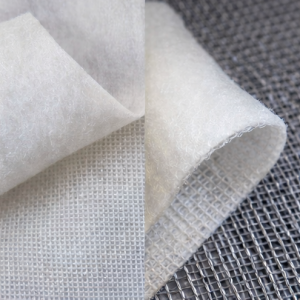
Bulk purchasing is a common strategy to reduce the per-unit cost of polyester mesh. Many suppliers offer discounts for large orders, which can help businesses save on both material and shipping costs. While the minimum order quantity (MOQ) may initially seem high, buying in bulk allows you to benefit from better unit pricing and lower shipping fees.
Additionally, bulk purchasing can ensure a steady supply of polyester mesh for ongoing or future projects, helping you avoid delays or shortages. However, it’s essential to carefully assess your needs to ensure that you are purchasing an appropriate amount. Overordering could lead to unnecessary storage costs, while underordering could cause supply chain interruptions.
Cost Factor | Consideration |
Price vs. Performance | Higher upfront costs may lead to long-term savings through durability. |
Bulk Purchasing | Large orders offer better unit pricing and lower shipping costs. |
When sourcing polyester mesh for construction, key factors include durability, tensile strength, and UV resistance. Careful evaluation of supplier reputation, certifications, and product performance is essential for making informed decisions.
At Taixing Cinfudy Textile CO., LTD., we offer high-quality polyester mesh designed to meet the rigorous demands of construction projects. Our products ensure durability and reliability, providing long-term value for your construction needs.
A: Polyester mesh is primarily used for reinforcement, erosion control, filtration, and stabilization in construction projects. Its durability and strength make it ideal for handling mechanical stresses and outdoor environmental conditions.
A: When selecting polyester mesh, consider factors such as tensile strength, UV resistance, mesh weight (GSM), and chemical resistance. These properties ensure the mesh performs effectively in specific applications like concrete reinforcement or soil stabilization.
A: While polyester mesh may have a higher upfront cost, its durability and low maintenance requirements lead to long-term cost savings. Bulk purchasing can also reduce unit prices and shipping costs.
A: Polyester mesh requires minimal maintenance due to its resistance to UV degradation, chemicals, and wear. Regular inspections for physical damage or wear may be necessary in high-stress applications.


