Jumbo Roll Scrim Backing Fabric

- All
- Product Name
- Product Keyword
- Product Model
- Product Summary
- Product Description
- Multi Field Search
Views: 0 Author: Site Editor Publish Time: 2025-11-10 Origin: Site


Have you ever wondered what makes a football so durable and resilient? The answer lies in the woven football scrim backing, a key component in football manufacturing. This material plays a crucial role in maintaining the football's shape and performance, especially during intense gameplay. In this post, we'll explore what woven football scrim backing is made of and why its composition matters. You'll learn about the different materials used and how they contribute to a football's strength and durability.
Woven football scrim backing is made from a combination of primary fibers and auxiliary components. Each element plays a critical role in the material's strength, flexibility, and durability. Here's a breakdown of the materials used in its composition.
Polyester Fibers
Polyester is the most common fiber used in scrim backing. It offers exceptional tensile strength, meaning it can resist pulling and tearing. Polyester also has excellent tear resistance and dimensional stability, so it maintains its shape even under high pressure, such as the impacts a football faces during play.
Polyester-Cotton Blends
By blending polyester with cotton, manufacturers strike a balance between durability and comfort. Polyester provides the strength needed for structural support, while cotton adds softness and breathability. This combination makes the scrim backing ideal for footballs requiring both resilience and a smoother feel during play.
High-Strength Synthetic Blends
Some variants of scrim backing incorporate additional synthetic fibers, which can provide specialized features like waterproofing. These materials are engineered to enhance the scrim's performance under different conditions, ensuring that it remains durable and resistant to environmental factors like moisture and temperature changes.Auxiliary Components
Component | Function |
Bonding Agents | These low-toxicity adhesives hold the fibers together, preventing fraying and ensuring the scrim backing stays intact during use. |
Functional Treatments | Waterproof coatings and anti-moisture finishes are applied to prevent water absorption, which could add weight or degrade the material. |
Stabilizers | UV and chemical stabilizers are used to enhance the scrim's resistance to sun exposure and harsh conditions, making it last longer. |
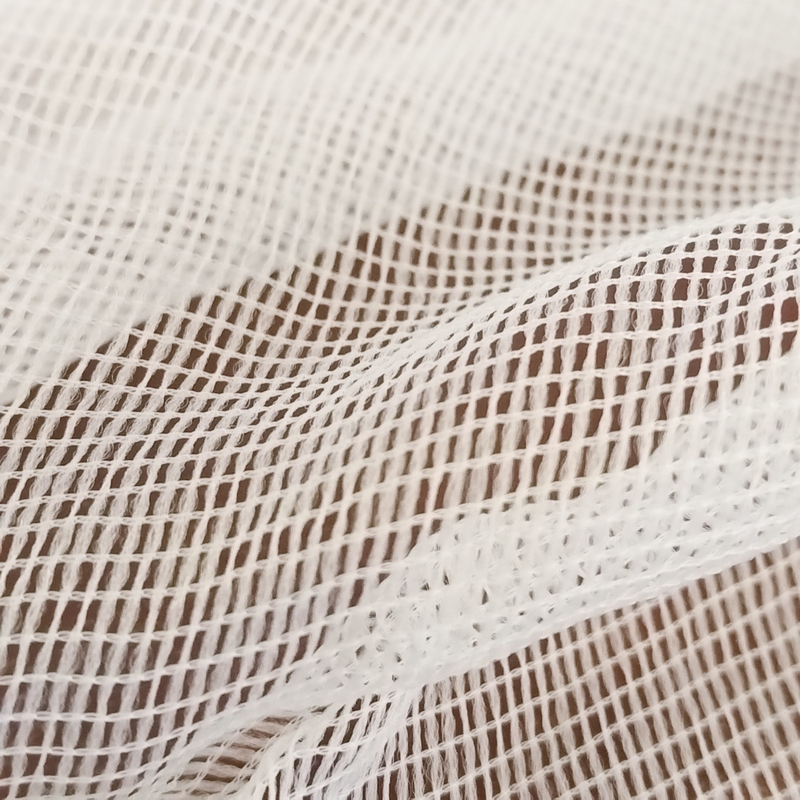
The materials used in woven football scrim backing are chosen for their strength, durability, and ability to maintain optimal performance. Let's explore the key characteristics of the core materials.
Polyester is the most commonly used material in scrim backing. It stands out for its exceptional tensile strength, meaning it can withstand stretching and pressure without breaking. This strength is crucial because it ensures the scrim backing will hold up even under intense impact, which is common during football games.
Polyester also has low moisture absorption, which prevents the material from getting heavier or becoming less durable when exposed to moisture. This property helps avoid issues like mold or mildew growth, ensuring that the football stays lightweight and functional in all conditions.
Additionally, polyester has chemical stability. It does not react with common football materials, like synthetic leather or PVC, making it highly compatible and reliable over time. These qualities together ensure that the football maintains its shape and performance throughout its lifespan.
Polyester-cotton blends combine the best qualities of both materials, offering a unique balance between rigidity and flexibility. This balance is critical for enhancing the responsiveness of the ball. The polyester provides the strength needed for structure, while cotton allows the material to flex easily, offering a smoother feel when handling the ball.
The cotton component also plays an important role in improving adhesion. It helps the scrim backing bond more effectively with adhesives, ensuring a strong connection between the backing and the outer layers of the football. This results in a more durable football that maintains its integrity over time.
Cotton’s softness contributes to increased comfort during play. By reducing friction between layers, it enhances the overall feel of the ball, making it more comfortable to handle and kick. This combination of durability and comfort is essential for high-quality footballs.
Feature | Polyester | Polyester-Cotton Blends |
Strength | High tensile strength | Balanced strength and flexibility |
Moisture Absorption | Low moisture absorption | Moderate moisture absorption |
Flexibility | Rigid, strong | Flexible, smooth feel |
Adhesion | High durability | Improved adhesion with cotton |
Tip: These characteristics make polyester and polyester-cotton blends the ideal materials for woven scrim backing, contributing to both the performance and longevity of footballs.
The process of making woven football scrim backing involves several critical steps. From preparing the fibers to testing the final product, each phase is designed to ensure the backing is strong, durable, and ready for use in football manufacturing.
The first step is fiber preparation, where raw materials like polyester or polyester-cotton blends are spun into yarns. The yarns are carefully adjusted for strength and weight to meet specific requirements for the scrim backing. This involves selecting the right thickness for the yarns based on the desired performance characteristics of the football. Thicker yarns provide extra strength, while lighter yarns keep the backing flexible.
Next, the yarns are woven together using a plain weave or twill weave. The plain weave is the simplest pattern, where each yarn crosses over and under the other in a regular, alternating pattern. This provides a strong, durable structure. Twill weave, on the other hand, has a diagonal pattern, which adds extra flexibility while maintaining strength. Both weaves optimize the strength-to-weight ratio, ensuring the scrim backing can withstand impacts without adding unnecessary weight to the football.
Once the fibers are woven into fabric, functional coatings are applied to enhance performance. Waterproof coatings help prevent moisture from being absorbed, while UV-resistant finishes protect the material from the damaging effects of sunlight. These treatments ensure that the scrim backing remains durable and functional even under harsh environmental conditions.
The scrim backing undergoes rigorous quality testing to ensure it meets performance standards. Tests are conducted for tensile strength, tear resistance, and dimensional stability. These tests help ensure the scrim backing can withstand the forces it will face during gameplay, including impacts, stretching, and environmental exposure.
Finally, the finished scrim backing is cut into rolls that fit seamlessly into the football manufacturing workflow. The rolls are sized to match the specific needs of the production line, ensuring consistency and efficiency. This step prepares the material for its final integration into the football.
Step | Description |
Fiber Preparation | Spinning raw fibers into yarns adjusted for strength and weight. |
Weaving | Using plain or twill weave to create a strong, durable fabric with optimal strength-to-weight ratio. |
Treatment Application | Applying waterproof, UV-resistant, and other functional coatings. |
Quality Testing | Testing for tensile strength, tear resistance, and dimensional stability. |
Roll Forming | Cutting the finished fabric into rolls to fit manufacturing processes. |
The process of making woven football scrim backing involves several critical steps. From preparing the fibers to testing the final product, each phase is designed to ensure the backing is strong, durable, and ready for use in football manufacturing.
The first step is fiber preparation, where raw materials like polyester or polyester-cotton blends are spun into yarns. The yarns are carefully adjusted for strength and weight to meet specific requirements for the scrim backing. This involves selecting the right thickness for the yarns based on the desired performance characteristics of the football. Thicker yarns provide extra strength, while lighter yarns keep the backing flexible.
Next, the yarns are woven together using a plain weave or twill weave. The plain weave is the simplest pattern, where each yarn crosses over and under the other in a regular, alternating pattern. This provides a strong, durable structure. Twill weave, on the other hand, has a diagonal pattern, which adds extra flexibility while maintaining strength. Both weaves optimize the strength-to-weight ratio, ensuring the scrim backing can withstand impacts without adding unnecessary weight to the football.
Once the fibers are woven into fabric, functional coatings are applied to enhance performance. Waterproof coatings help prevent moisture from being absorbed, while UV-resistant finishes protect the material from the damaging effects of sunlight. These treatments ensure that the scrim backing remains durable and functional even under harsh environmental conditions.
The scrim backing undergoes rigorous quality testing to ensure it meets performance standards. Tests are conducted for tensile strength, tear resistance, and dimensional stability. These tests help ensure the scrim backing can withstand the forces it will face during gameplay, including impacts, stretching, and environmental exposure.
Finally, the finished scrim backing is cut into rolls that fit seamlessly into the football manufacturing workflow. The rolls are sized to match the specific needs of the production line, ensuring consistency and efficiency. This step prepares the material for its final integration into the football.
Step | Description |
Fiber Preparation | Spinning raw fibers into yarns adjusted for strength and weight. |
Weaving | Using plain or twill weave to create a strong, durable fabric with optimal strength-to-weight ratio. |
Treatment Application | Applying waterproof, UV-resistant, and other functional coatings. |
Quality Testing | Testing for tensile strength, tear resistance, and dimensional stability. |
Roll Forming | Cutting the finished fabric into rolls to fit manufacturing processes. |
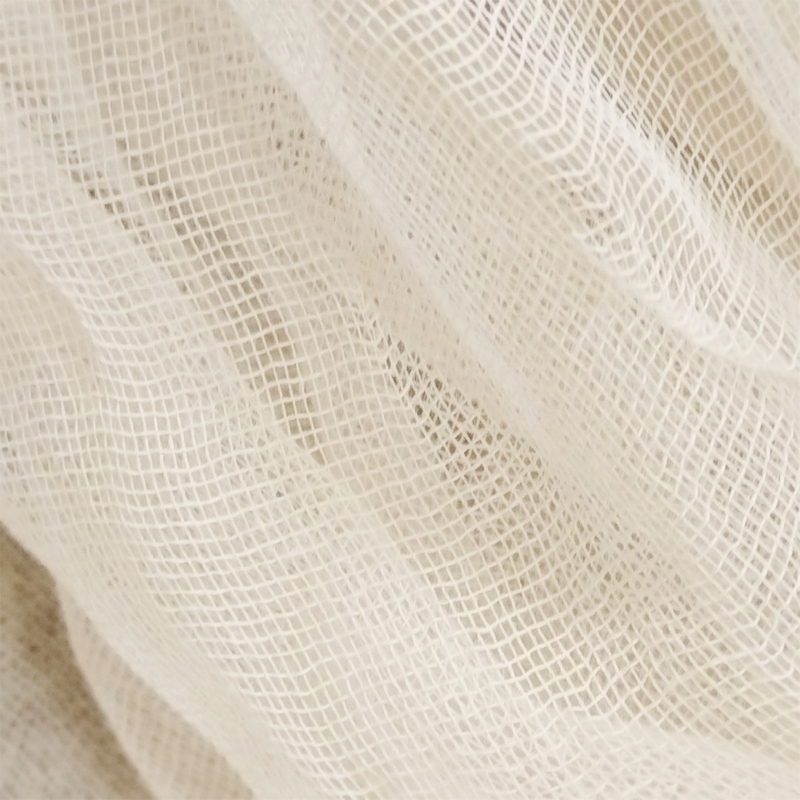
Woven football scrim backing plays a pivotal role in football manufacturing. It directly influences how the ball performs, integrates with other materials, and feels during play. Let’s explore how this material is used in the production of high-quality footballs.
The choice of scrim backing has a significant impact on a football's ability to withstand rough conditions. During intense play, footballs are subjected to harsh impacts, friction, and exposure to various weather conditions. Woven scrim backing, made from durable polyester or blends, provides strength and stability, ensuring the football can handle these stresses without losing its shape. This material helps the ball stay intact through repeated kicks, throws, and impacts, extending its lifespan.
Woven scrim backing integrates seamlessly with other materials used in football construction. It works well with synthetic leather, PU (polyurethane), and PVC (polyvinyl chloride), which are commonly used for the outer layer of the ball. This compatibility ensures that the backing adheres securely to the outer layers, creating a uniform structure. The smooth fusion between the scrim backing and these materials helps the football maintain its performance even under tough conditions.
Material | Synthetic Leather | PU (Polyurethane) | PVC (Polyvinyl Chloride) |
Compatibility | Excellent | Excellent | Good |
Durability | High | High | Moderate |
Adhesion to Scrim | Strong | Strong | Moderate |
The scrim backing also affects the feel and responsiveness of the football during play. Its flexibility and strength allow the football to bounce and grip in a way that enhances player control. A well-designed scrim backing ensures that the ball has the right balance of firmness and softness, making it easier to catch, throw, and kick. The scrim’s structure allows the ball to hold its shape while providing a smooth, predictable response when handled.
The combination of durability and playability ensures that players have a consistent experience, whether they are practicing or in a high-stakes game. The scrim backing ultimately influences how players interact with the ball and its overall performance during use.
Choosing the right materials for woven football scrim backing is crucial for ensuring durability and performance. High-quality woven materials, such as polyester, provide exceptional strength, moisture resistance, and longevity, ensuring that footballs perform consistently under tough conditions. Manufacturers should prioritize woven scrim backing in their production processes to create long-lasting and high-performing footballs. CINFUDY offers top-tier scrim backing products that enhance football performance and durability, ensuring a superior playing experience.
A: Woven football scrim backing is typically made from high-strength polyester fibers, polyester-cotton blends, or synthetic blends. These materials provide durability, moisture resistance, and strength to ensure the football can withstand rough conditions.
A: Woven football scrim backing enhances a football's durability by providing structural support, preventing tearing, and maintaining its shape during play. Its strong fibers resist moisture, wear, and impact.
A: Polyester is used in woven football scrim backing due to its exceptional tensile strength, low moisture absorption, and chemical stability. These properties help the football remain strong and lightweight under various conditions.


