Jumbo Roll Scrim Backing Fabric

- All
- Product Name
- Product Keyword
- Product Model
- Product Summary
- Product Description
- Multi Field Search
Views: 0 Author: Site Editor Publish Time: 2026-10-21 Origin: Site


Tape failure in extreme environments rarely stems from a single variable. While engineers often blame adhesive degradation, the failure of the structural reinforcement under thermal stress causes most delamination and dimensional collapse. Tape manufacturers face a strict balancing act. Using standard scrims risks product failure during high-temperature manufacturing operations or end-use applications. Over-specifying reinforcement materials inflates unit costs and reduces tape flexibility.
Determining the exact threshold for upgrading to a specialized heat resistant tape scrim requires evaluating thermal operating windows, manufacturing process stresses, and material compatibility. You must match the physical properties of the backing to the thermal load. This guide outlines the technical framework for specifying the right scrim for high-temperature adhesive applications.
Process vs. Application Heat: The requirement for heat-resistant scrim is dictated as much by the manufacturing method (e.g., hot-melt calendaring, high-temp drying ovens) as it is by the end-user's operating environment.
Material Thresholds: Standard polyester offers a baseline of thermal stability, but specific high-heat applications require engineered woven fabrics, fiberglass, or chemically treated yarns to prevent thermal shrinkage and maintain the adhesive matrix.
Dimensional Stability is Paramount: The primary function of a heat-resistant scrim is maintaining tensile strength and resisting elongation or contraction when exposed to elevated temperatures, ensuring the adhesive mass remains anchored.
Customization Drives Yield: Specifying custom heat resistant tape backing fabric tailored to exact adhesive chemistries, coating weights, and flexibility requirements significantly reduces manufacturing defect rates and field failures.
In industrial tape construction, the scrim acts as the structural skeleton. It provides tensile strength, tear resistance, and dimensional stability. It creates a physical matrix for adhesive anchorage. Without a stable substrate, the adhesive lacks the internal cohesion required to maintain a bond under mechanical load. The open area of the mesh allows the adhesive to flow through, locking the layers together in a rivet effect. This baseline functionality assumes room-temperature conditions. When you introduce heat, the physical properties of the reinforcement layer change rapidly.
Physical Property | Room Temperature Behavior | High-Temperature Behavior (Standard Scrim) |
|---|---|---|
Tensile Strength | Maintains load-bearing capacity | Yields and stretches under tension |
Dimensional Stability | Holds exact width and length | Shrinks, causing tape neck-down |
Adhesive Anchorage | Locks adhesive in the mesh grid | Mesh distorts, causing adhesive shear |
Flexibility | Conforms to irregular surfaces | Becomes brittle or melts entirely |
Standard scrims fail predictably under excessive heat. Thermoplastic polymers like untreated polyester or polypropylene have specific thermal limits. As temperatures approach the material's glass transition temperature, the yarns begin to soften. Under the constant tension of a manufacturing web or a field application, softened yarns stretch and deform.
If temperatures continue to rise, the polymer memory triggers yarn shrinkage. This contraction pulls the adhesive matrix apart. You lose tensile strength immediately. The tape narrows, the backing distorts, and the adhesive shears. In severe cases, the adhesive oozes through the compromised mesh, contaminating processing equipment or adjacent surfaces.
Engineers must accurately diagnose field failures to implement the correct fix. If a tape fails in a high-heat environment, examine the residue and the backing using these steps:
Inspect the adhesive residue on the substrate. If the tape backing remains dimensionally intact but the adhesive turns brittle, powdery, or completely liquid, the chemistry broke down.
Measure the width of the failed tape against its original specification. If the adhesive remains tacky but the tape itself has shrunk, wrinkled, or split, you have a scrim collapse.
Look for adhesive pooling at the edges. This indicates the scrim contracted and squeezed the adhesive out of the matrix.
Check for cohesive failure. If the tape splits down the middle of the adhesive layer, leaving residue on both substrates, a warped scrim likely induced uneven shear stress.
High-performance tapes rely on a physical interaction between the adhesive and the scrim. The scrim must maintain its structural integrity to prevent the adhesive from pooling or migrating during rapid thermal cycling. When a tape is applied to an engine component or an HVAC duct, it experiences repeated heating and cooling. If the thermal expansion coefficient of the scrim differs wildly from the adhesive, the internal stress will break the bond line. A heat-resistant scrim stabilizes the entire system, ensuring the adhesive mass remains anchored exactly where it was coated.
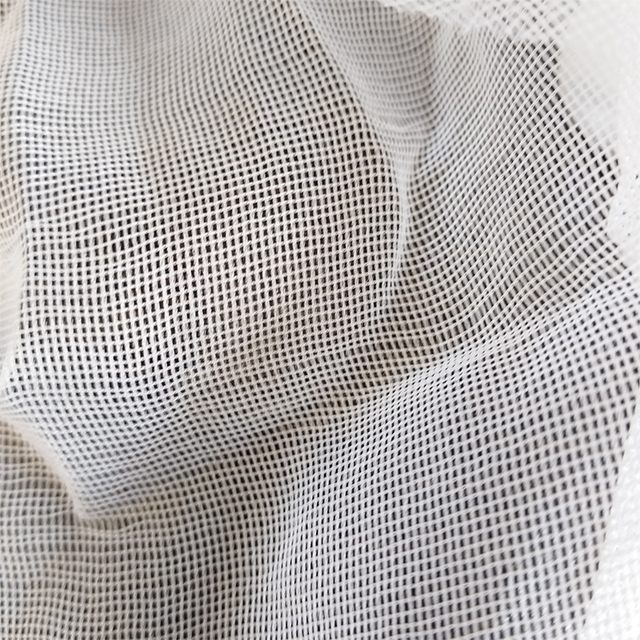
Categorizing temperature zones helps match the scrim to the application. Standard tapes typically handle up to 60°C. Once you cross 100°C, standard thermoplastic scrims begin to yield under load.
Temperature Zone | Typical Applications | Scrim Requirement |
|---|---|---|
Up to 60°C | General packaging, light masking | Standard untreated polyester or cotton |
60°C to 100°C | Appliance assembly, standard HVAC | Heavy denier polyester, basic heat-setting |
100°C to 150°C | Automotive wire harness, powder coating | High-tenacity, fully heat-set polyester |
150°C to 250°C+ | Aerospace foil tapes, engine masking | Fiberglass, Aramid, or specialty synthetics |
Industrial applications demand higher thresholds. Automotive under-hood wire harnessing routinely sees temperatures exceeding 125°C. Aerospace foil tapes and high-temp HVAC sealing applications face similar extremes. Powder coating masking tapes must survive baking cycles at 200°C without shrinking or leaving residue.
You must differentiate between continuous operating temperatures and short-term peak exposures. A scrim might survive a 10-minute excursion to 180°C during a powder coat bake but fail if held at 150°C continuously for three months. Specify your scrim based on the maximum sustained temperature and the duration of peak excursions.
End-use environments only tell half the story. The manufacturing process often subjects the scrim to the highest thermal and mechanical stress it will ever see.
The calendaring process is brutal on textiles. Hot, highly viscous adhesive is pressed into the fabric between heavy steel nip rolls under massive tension. Using a specialized duct tape scrim for calendaring is non-negotiable for high-speed lines. Standard thermoplastic scrims stretch, narrow, or melt entirely upon contact with the heated rolls. The scrim must resist the conductive heat of the calendar while maintaining exact width and tension to prevent web breaks and ensure uniform adhesive coating weight.
Solvent-based and water-based adhesive coating processes present a different thermal challenge. The scrim passes through long drying ovens to evaporate the carrier solvent or water. A woven scrim for tape coating and lamination must withstand elevated oven temperatures while under continuous web tension. If the fabric lacks thermal stability, it will elongate in the machine direction and shrink in the cross direction. This distortion ruins the tape profile, causing telescoping rolls and inconsistent adhesive thickness.
High-tenacity polyester (PET) serves as the workhorse of the industrial tape market. It offers an excellent balance of tensile strength, flexibility, and cost. Standard PET has limitations. Its glass transition temperature sits around 70°C, and it melts near 250°C.
To make a polyester scrim for industrial adhesive tape viable for high-heat processing, manufacturers utilize heat-setting treatments. The woven fabric runs through a stenter frame at temperatures exceeding 200°C under controlled tension. This thermal stabilization process pre-shrinks the yarns and locks the polymer memory. A properly heat-set polyester scrim exhibits drastically improved dimensional stability, often showing less than 2% shrinkage at 150°C.
When temperatures exceed the physical limits of treated polyester, engineers must look to inorganic or specialty synthetic fibers.
Fiberglass offers exceptional heat resistance, zero thermal shrinkage, and extremely low elongation. It easily survives continuous exposure above 250°C. Fiberglass is brittle. It fractures under sharp folds or high-impact stress, making it unsuitable for highly conformable tapes.
Aramids provide extreme heat resistance, inherent flame retardancy, and massive tensile strength. They do not melt; they char at temperatures above 400°C. Aramids offer better flexibility than fiberglass but require a higher initial investment.
Upgrading from heat-set polyester to fiberglass or aramid requires a strict performance analysis. Reserve these materials for applications where failure results in safety risks or where the manufacturing process involves extreme heat lamination.
The construction method of the fabric dictates its mechanical performance under thermal stress. A heat resistant woven scrim for tape provides superior mechanical locking. The interlacing warp and weft yarns physically restrain each other. This woven structure performs exceptionally well under multi-directional thermal expansion and high-tension web processing.
Laid scrims rely entirely on a chemical binder to hold the warp and weft yarns together. If the ambient heat or the manufacturing oven temperature exceeds the melting point of that binder, the grid collapses. The yarns separate, and the tape loses all structural integrity. Woven scrims eliminate this specific failure mode.
Adhesive chemistry dictates the required scrim characteristics. Different high-temp adhesives interact uniquely with reinforcement materials.
Adhesive Type | Temperature Range | Recommended Scrim Material | Compatibility Notes |
|---|---|---|---|
Silicone | 200°C+ | Fiberglass or treated Aramid | Requires specific adhesion promoters due to low surface energy. |
High-Performance Acrylic | Up to 150°C | Heat-set Polyester | Bonds well to PET; ensure binder finish does not outgas. |
Cross-Linked Rubber | Up to 120°C | Heavy Denier Polyester | Thermal expansion rates must align to prevent shear during cooling. |
Off-the-shelf fabrics rarely meet the exact specifications of specialized high-temp tapes. Engineering a custom heat resistant tape backing fabric allows you to control the mesh geometry. You must calculate the optimal open area to allow adequate adhesive strike-through. Too tight, and the adhesive layers won't bond to each other through the mesh. Too open, and you compromise the heat-resistant structural grid, leading to tape elongation.
Yarn denier presents an engineering trade-off. Heavier denier yarns increase tensile strength and thermal mass, resisting heat degradation longer. Thick yarns reduce the final tape's flexibility and conformability, making it difficult to wrap around tight radii in wire harnessing or HVAC applications. Custom specification allows you to balance denier against thread count to achieve the perfect strength-to-flexibility ratio.
The binder or finish applied to the scrim is just as critical as the base yarn. The scrim finish must chemically bond with the high-temperature adhesive to prevent delamination. If you apply a silicone adhesive to a scrim coated with a standard PVA binder, the adhesive will peel off the fabric under thermal load. Specify finishes that act as adhesion promoters for your specific chemistry. The binder itself must withstand the target operating temperature without outgassing or degrading.
High-temperature tapes frequently operate in highly regulated environments. Specify scrims that meet industry-specific thermal and safety standards.
HVAC applications require materials that pass UL 723 or ASTM E84 for flame spread and smoke development.
Automotive and electronics manufacturing demand RoHS and REACH compliance, ensuring the scrim and its binders contain no restricted hazardous substances that could volatilize under heat.
Aerospace applications require FAR 25.853 compliance for vertical burn resistance.
You cannot rely on visual inspections to verify thermal stability. Rigorous industrial scrim fabric quality control requires standardized testing. Use methodologies like ASTM D461 or modified ASTM D4974 to measure dimensional stability. A standard test involves cutting a precise fabric sample, placing it in a forced-air oven at a specified temperature for 30 minutes, and measuring the shrinkage percentage in both the machine and cross directions upon removal. Acceptable tolerances for high-heat calendaring usually fall below 2% shrinkage.
Room-temperature technical data sheets hold little value for high-heat applications. You must test the scrim's tensile strength and elongation after it has been subjected to target heat levels. A polyester scrim might boast 100 lbs/inch tensile strength at 22°C. If that strength drops to 30 lbs/inch after a 150°C bake cycle, the tape will fail in the field. Conduct post-bake tensile testing using a dynamometer to verify the fabric retains sufficient structural integrity to handle mechanical loads in its actual operating environment.
Thermal stability requires precise manufacturing controls. Batch-to-batch variation in yarn extrusion, binder application, and heat-setting processes introduces massive risk. If the stenter frame speed increases slightly during heat-setting, the fabric won't reach the required temperature, and the thermal memory won't lock.
Procurement teams must demand comprehensive documentation from scrim manufacturers. Require Certificates of Analysis with every shipment, detailing the specific thermal shrinkage and tensile data for that exact lot. Consistent thermal performance prevents sudden spikes in manufacturing scrap rates.
Upgrading reinforcement materials impacts the bill of materials. Moving from standard untreated polyester to a heat-set, high-tenacity polyester introduces a moderate cost multiplier. Jumping from heat-set polyester to specialty fiberglass or aramid triggers a higher material investment.
Frame these upfront costs against the total manufacturing yield. A cheaper, thermally unstable scrim causes web breaks in the drying oven, severe neck-down on the calendar, and inconsistent coating weights. The cost of machine downtime, wasted adhesive, and scrapped master rolls quickly eclipses the savings on the raw fabric. Calculate your return by factoring in the reduction in manufacturing scrap and the prevention of end-user product failures and warranty recalls.
Not all textile mills understand the demands of adhesive tape manufacturing. Evaluate scrim partners based on their technical capabilities rather than just unit price. Look for suppliers with rapid prototyping capabilities, allowing you to test different mesh geometries and binder chemistries. Assess their minimum order quantities for custom heat-set runs. Verify their lead times for specialized yarns to ensure they can support your production scale-up without causing supply chain bottlenecks.
Audit your current manufacturing process to record the maximum web tension and peak oven or calendar temperatures your scrim experiences.
Request sample rolls of heat-set woven scrims tailored to your specific adhesive chemistry and target operating environment.
Initiate a pilot run on your coating or calendaring lines to measure real-world dimensional stability and adhesive anchorage.
Conduct post-bake tensile and peel adhesion testing on the finished tape to validate field performance before full-scale production.
A: Standard untreated polyester begins to yield and shrink significantly around 70°C to 100°C. Heat-set, high-tenacity polyester is thermally stabilized during manufacturing. This engineered PET can comfortably withstand continuous operating temperatures between 150°C and 175°C before experiencing significant degradation, shrinkage, or loss of tensile strength.
A: Calendaring subjects the scrim to a harsh combination of high mechanical web tension and intense conductive heat from the steel nip rolls. Standard thermoplastic yarns cannot withstand these simultaneous forces. They yield, stretch, narrow, or melt entirely upon contact, leading to web breaks, tape distortion, and uneven adhesive distribution.
A: Woven scrims feature mechanically interlocking warp and weft yarns, providing superior multidirectional stability and resistance to thermal distortion. Laid scrims are non-woven and rely on chemical binders to hold the grid together. In high-heat environments, the binder on a laid scrim can melt, causing the yarns to separate and the tape to lose structural integrity.
A: No. Standard duct tape scrims are typically made from low-grade cotton or untreated polyester blends. They will degrade, shrink, and fail rapidly when exposed to the continuous heat of HVAC ductwork. HVAC applications require UL-rated, heat-resistant scrim formulations to maintain long-term seal integrity and meet fire safety codes.
A: Thermal stability is measured using standardized free-shrinkage testing. Fabric samples are placed in forced-air ovens at specific temperatures for a set duration. Technicians then measure the percentage of shrinkage in both the machine and cross directions. Post-bake tensile strength evaluations and continuous inline web-tension monitoring are also critical quality control metrics.
A: Yes, the binder is critical. If the chemical binder or finish applied to the scrim melts, outgasses, or degrades at a lower temperature than the base yarn, the scrim matrix will collapse. This leads to a loss of structural integrity, delamination, and subsequent adhesive failure, regardless of the yarn's heat resistance.


