Jumbo Roll Scrim Backing Fabric

- All
- Product Name
- Product Keyword
- Product Model
- Product Summary
- Product Description
- Multi Field Search
Views: 0 Author: Site Editor Publish Time: 2025-10-29 Origin: Site


Vinyl wallcoverings are widely recognized for their durability, aesthetic appeal, and ease of maintenance. These qualities make them an excellent choice for residential, commercial, and industrial applications. However, the performance and longevity of vinyl wallcoverings depend heavily on the backing material used. While there are various types of backings available, cotton scrim stands out as one of the most ideal options for enhancing the overall functionality of vinyl wallcoverings.
In this article, we will delve into the importance of cotton scrim as a backing material, exploring why it is the preferred choice for vinyl wallcoverings. We will look at the properties of cotton scrim, how it supports the vinyl material, and the many benefits it offers, ranging from durability to environmental sustainability.
Cotton scrim is a type of fabric that is woven from cotton fibers, typically using a plain weave pattern. It is often used as a reinforcing material in a variety of applications, including textiles, wallcoverings, and construction materials. The primary role of cotton scrim is to provide strength and structure to the material it is backing, while also allowing for flexibility and ease of application.
When used as a backing for vinyl wallcoverings, cotton scrim helps improve the overall strength, stability, and durability of the finished product. Its unique properties make it an ideal choice for supporting vinyl’s characteristics, which include resistance to moisture, ease of cleaning, and long-lasting appearance.
Before we dive into the specific advantages of cotton scrim, it is helpful to understand how it compares to other common backing materials used in vinyl wallcoverings.
Paper Backing: Paper is one of the most traditional backings used for wallcoverings. While it is inexpensive and lightweight, paper lacks the strength and flexibility required for high-performance vinyl wallcoverings. It can tear easily, and it doesn’t offer the same level of durability as cotton scrim.
Polyester Scrim: Polyester scrim is another popular choice for wallcovering backings. While it is durable and resistant to tearing, it does not provide the same breathability and natural texture as cotton. Additionally, polyester is not biodegradable, which can be a concern for environmentally conscious consumers.
Fiberglass Backing: Fiberglass is often used for heavy-duty wallcoverings due to its strength and flame-resistant properties. However, it is heavier and more rigid than cotton scrim, making it less ideal for flexible applications. It also lacks the natural texture that cotton scrim provides, which can be important for aesthetic purposes.
While each of these materials has its own benefits, cotton scrim strikes an optimal balance between strength, flexibility, and eco-friendliness, making it the ideal backing for vinyl wallcoverings.
One of the most significant advantages of cotton scrim as a backing material is its durability. Cotton fibers are naturally strong, and when woven into a scrim, they create a fabric that is resistant to tearing and damage. This strength is crucial in ensuring that vinyl wallcoverings maintain their integrity over time, especially in high-traffic areas like commercial spaces, schools, and hospitals.
Additionally, cotton scrim helps distribute the weight of the vinyl more evenly, preventing sagging or distortion of the wallcovering. This improves the overall appearance and performance of the vinyl, ensuring it remains firmly in place for an extended period.
Another key benefit of cotton scrim is its flexibility. Unlike more rigid backing materials, cotton scrim is pliable and easy to handle, making it ideal for large-scale applications or areas that require more intricate installation techniques.
Adhesion: The woven structure of cotton scrim allows it to bond well with adhesives, ensuring that the vinyl wallcovering stays securely attached to the wall. This is particularly important when installing wallcoverings in spaces with varying environmental conditions, such as rooms with high humidity or temperature fluctuations.
Application on Curved Surfaces: Cotton scrim's flexibility also makes it easier to apply vinyl wallcoverings to curved or irregular surfaces, such as columns, arches, or corners. This is a significant advantage in commercial settings where unique architectural features are often found.
Unlike synthetic materials such as polyester, cotton scrim is breathable, which is particularly important in environments where moisture control is necessary. Cotton fibers naturally allow air to pass through, preventing the buildup of moisture between the wall and the wallcovering. This reduces the risk of mold or mildew formation, which can occur in damp conditions.
Moreover, cotton scrim’s breathable nature allows it to adapt to changes in temperature and humidity, which is crucial in maintaining the integrity of the wallcovering over time. In comparison, synthetic backings such as vinyl or polyester can trap moisture behind the wallcovering, leading to potential peeling or degradation.
Although vinyl wallcoverings are generally durable, they can be prone to tearing when subjected to sharp impacts or heavy handling. Cotton scrim adds an extra layer of tear resistance to the material, helping it withstand wear and tear in high-traffic environments.
The woven structure of cotton scrim acts as a reinforcement that helps prevent the vinyl from tearing, even under stress. This makes cotton scrim an excellent choice for applications in public spaces, hotels, hospitals, or any setting where the wallcovering is likely to experience significant handling.
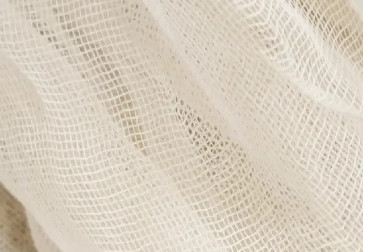
Cotton scrim is also highly valued for its natural texture and appearance. The cotton fibers give it a soft, organic feel that complements the smooth, glossy surface of vinyl wallcoverings. This natural aesthetic adds an extra layer of sophistication to the finished product, making it more appealing to those looking for a more high-end, luxurious look.
Additionally, cotton scrim allows the vinyl to retain its flexibility and smooth finish, preventing it from becoming rigid or cracking over time. This combination of strength and texture makes cotton scrim an excellent choice for both functional and decorative applications.
In today’s world, sustainability is an important consideration for many consumers. Cotton is a renewable resource, and when sourced responsibly, it has a smaller environmental footprint compared to synthetic materials. Cotton scrim is biodegradable, meaning it will decompose naturally at the end of its life cycle.
By choosing cotton scrim as a backing material for vinyl wallcoverings, manufacturers and consumers alike can feel good about their choice, knowing that it is more environmentally friendly than some synthetic alternatives. This eco-conscious approach is especially appealing in the growing trend toward green building practices and sustainable design.
Despite its many benefits, cotton scrim remains a cost-effective option for vinyl wallcoverings. While some backing materials, such as fiberglass or specialized synthetics, can be expensive, cotton scrim offers excellent value for its performance and longevity. It strikes a balance between cost and quality, making it an attractive choice for large-scale projects or budget-conscious applications.
Moreover, its durability and tear resistance reduce the likelihood of needing to replace or repair wallcoverings over time, leading to cost savings in the long run.
The combination of durability, flexibility, moisture resistance, and aesthetic appeal makes cotton scrim-backed vinyl wallcoverings suitable for a wide range of applications. Some of the most common uses include:
Commercial Spaces: Offices, hospitals, hotels, and retail stores often use vinyl wallcoverings with cotton scrim backing due to their durability and ease of maintenance.
Residential Interiors: Cotton scrim-backed vinyl wallcoverings can add a sophisticated touch to residential spaces while offering long-lasting protection against damage.
High-Traffic Areas: Spaces such as corridors, kitchens, and bathrooms benefit from the tear resistance and moisture resistance provided by cotton scrim-backed vinyl.
Environmental Sustainability Projects: In green building projects, cotton scrim-backed vinyl wallcoverings help meet sustainability goals without compromising on performance.
Cotton scrim-backed vinyl wallcoverings provide a combination of strength, flexibility, aesthetic appeal, and eco-friendliness that makes them an ideal choice for a wide variety of applications. From enhancing the durability of wallcoverings in high-traffic areas to offering moisture resistance in humid environments, cotton scrim offers significant advantages over other backing materials. Its breathability, tear resistance, and cost-effectiveness further contribute to its reputation as the ideal backing for vinyl wallcoverings.
In a world where environmental sustainability and durability are increasingly important, cotton scrim offers a solution that meets both criteria. Whether for commercial, residential, or industrial use, vinyl wallcoverings with cotton scrim backing are a smart, reliable, and sustainable choice for any interior design project.


