Jumbo Roll Scrim Backing Fabric

- All
- Product Name
- Product Keyword
- Product Model
- Product Summary
- Product Description
- Multi Field Search
Views: 0 Author: Site Editor Publish Time: 2025-12-18 Origin: Site


Have you ever wondered why your wallpaper doesn’t last as long as you’d like? The secret often lies in the quality of the wallpaper backing.Wallpaper backing is a critical part of the installation process, supporting the wallpaper and ensuring durability. As a professional manufacturer and exporter specializing in various functional fabrics—such as wallcovering scrim, greige backing, and laminate backing—high-grade wallpaper backing enhances both longevity and visual appeal.In this article, you will learn how choosing the right backing material impacts installation success and avoids common wallpaper issues.
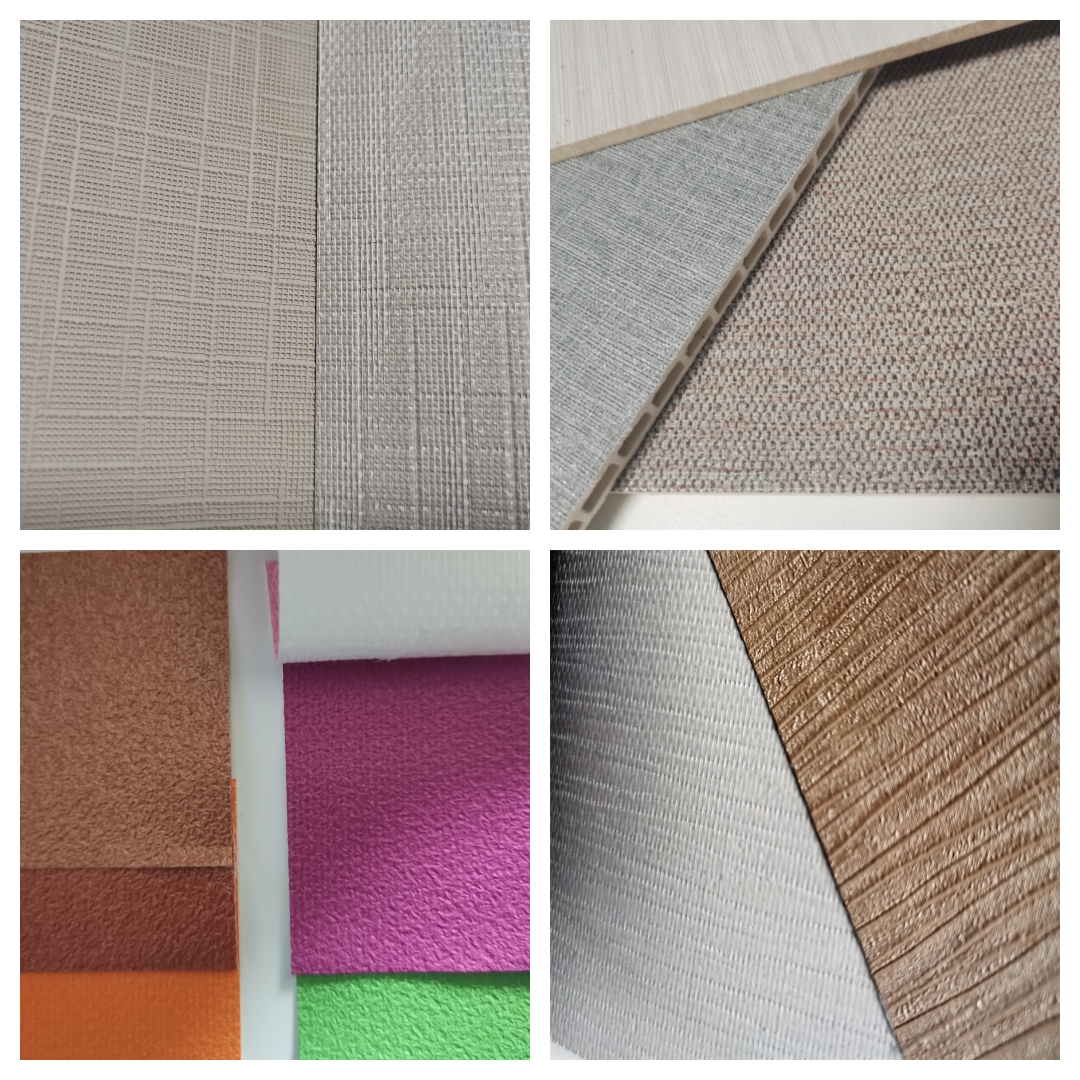
Wallpaper backing is crucial for ensuring the durability and smooth installation of wallpaper. High-quality backing, particularly with good tear resistance, prevents damage during installation, ensuring the wallpaper stays intact and looks good.However, when using low-quality backing, several issues can arise:
Tears: Poor backing is more prone to tearing during installation.
Alignment Issues: Low-quality backing can make it harder to align wallpaper properly.
Premature Damage: The wallpaper may peel or bubble after installation.
These problems can lead to rework, wasted materials, and increased costs. Choosing high-grade wallpaper backing is essential for a smoother, more successful installation. The following sections will explore the different materials and their role in achieving the best results.
Wallpaper backing serves as the material applied behind the decorative wallpaper layer, ensuring its durability and ease of installation. Different materials offer various characteristics that affect the wallpaper’s performance. Below is a comparison of common wallpaper backing materials:
Material | Advantages | Disadvantages |
Paper Backing | - Cost-effective- Easily available | - Moderate tear resistance- Prone to damage during installation, especially in humid conditions |
Vinyl Backing | - Durable- Moisture-resistant, ideal for high-humidity areas like bathrooms and kitchens | - Less flexible- Can be harder to work with during installation |
Non-Woven Backing | - High tear resistance- Easy to install- Flexible, offers better stretchability and adhesion | - More expensive than paper backing |
The strength of wallpaper backing directly affects its tear resistance. High-quality backing materials, such as non-woven fabrics, have increased tensile strength, allowing them to withstand handling, stretching, and repositioning without tearing. This ensures a smoother installation process with fewer chances of damage during application.In addition to durability, high-grade wallpaper backing also ensures better adhesion. Since the backing material is less likely to tear or stretch out of shape, the wallpaper adheres securely to the wall, preventing peeling or bubbling once installed. The better the backing, the fewer installation errors you’ll face, leading to a more successful, long-lasting wallpaper installation.
High-grade wallpaper backing is characterized by its strength, flexibility, and resistance to tearing. Some key features include:
High Tensile Strength: Non-woven fabrics and high-quality vinyl backings are designed to be resistant to pulling and tearing, ensuring that the wallpaper remains intact during installation.
Elasticity: High-grade backings are flexible, allowing them to stretch slightly without losing shape. This flexibility helps to reduce the chances of wrinkles and bubbles.
Durability: With improved durability, high-grade backings last longer, preventing damage during installation and ensuring the wallpaper remains pristine for years.
Choosing a backing with these characteristics not only improves tear resistance but also guarantees a faster, smoother installation experience.
When wallpaper backing is tear-resistant, the material remains intact during installation, reducing the risk of damage. This is particularly beneficial when handling large sheets of wallpaper, as it minimizes the risk of tears or rips.In terms of durability, high-grade wallpaper backing extends the life of the wallpaper. Whether you are installing in a commercial or residential setting, tear-resistant backing ensures that the wallpaper withstands daily wear and tear. This is particularly important in high-traffic areas or locations with fluctuating humidity levels, which can cause low-quality backing to degrade more quickly.
High-grade wallpaper backing not only enhances tear resistance but also speeds up the installation process. Since the backing is less likely to tear or become misaligned, you won’t need to spend time re-adjusting or replacing sections.With tear-resistant backing, professional installers and DIY enthusiasts alike can experience smoother, more efficient installations. Fewer errors and less damage mean reduced time spent on rework, which directly impacts both the cost and outcome of the project.
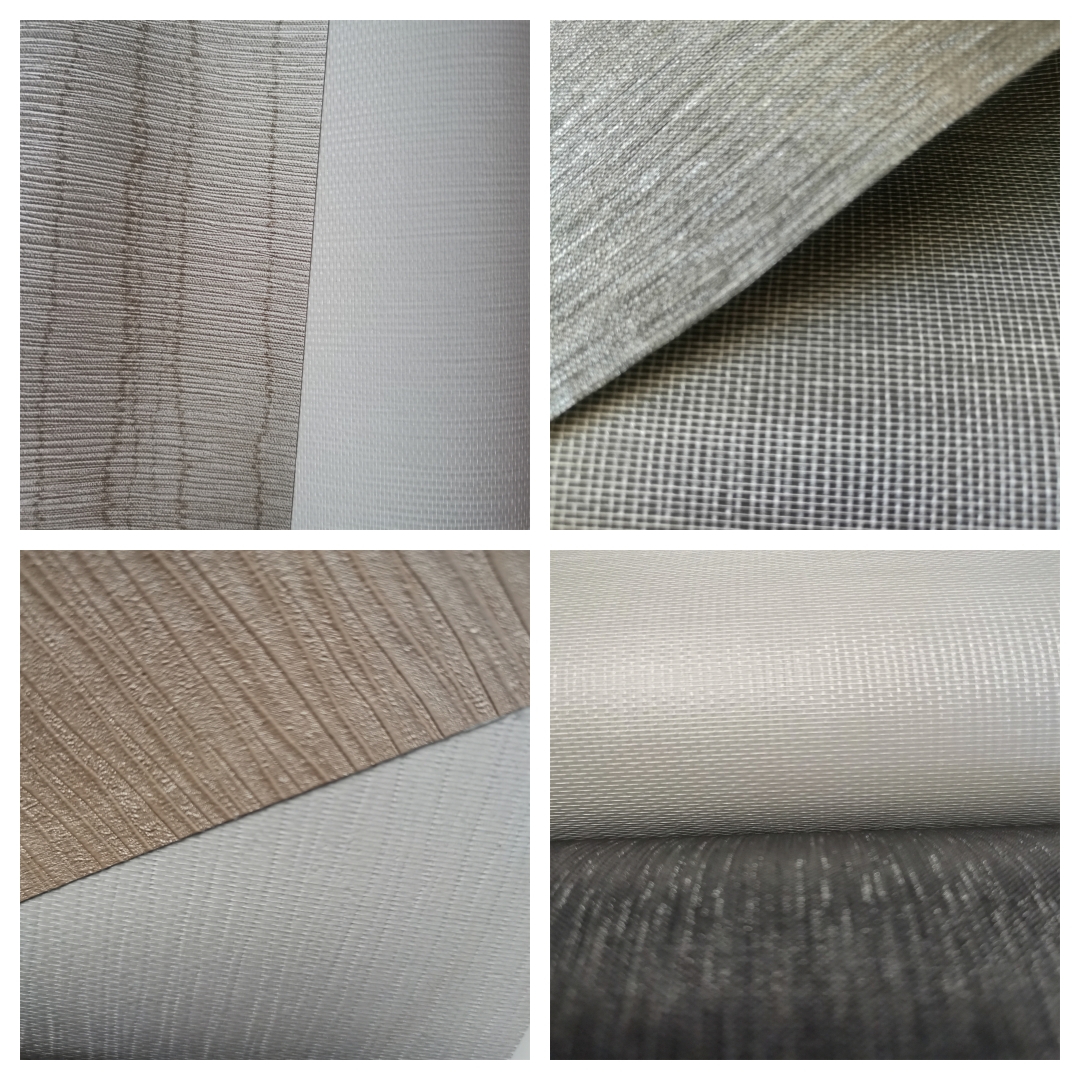
When using poor-quality wallpaper backing, several common installation problems can arise, including:
Tears During Handling: Low-quality backing can tear when manipulated, making installation more difficult and time-consuming.
Improper Alignment: Without sufficient tear resistance, the backing may stretch or shift, leading to misalignment and an uneven finish.
Bubbling and Wrinkles: Poor backing material can fail to adhere properly to the wall, causing unsightly bubbles or wrinkles.
These issues can cause frustration and delay the project, leading to higher costs for both time and materials.
High-quality wallpaper backing eliminates many of these common problems. With tear-resistant material, the wallpaper stays intact, ensuring easier handling and a more accurate application. This reduces errors such as misalignment, bubbling, or tearing, resulting in a cleaner, more professional finish.By choosing wallpaper with high-grade backing, you ensure a smoother installation process that is both quicker and more efficient. This, in turn, results in a more durable and aesthetically pleasing wall finish.
When choosing wallpaper backing for your project, consider the following factors:
Environmental Conditions: If the room is prone to high humidity or moisture (e.g., bathrooms or kitchens), opt for moisture-resistant backing materials like vinyl.
Wall Surface Type: Smooth walls may require more flexible, tear-resistant backings, while textured walls can work well with stiffer backing materials.
Budget: High-grade backings are typically more expensive, but the investment pays off in the long-term durability and ease of installation.
Selecting the appropriate wallpaper backing ensures not only a successful installation but also the longevity and aesthetic appeal of your wallpaper.
High-grade wallpaper backing offers a clear advantage over standard options. While standard backing may suffice for less demanding projects, high-grade materials provide superior tear resistance, durability, and ease of installation. Here’s a quick comparison:
Feature | Standard Backing | High-Grade Backing |
Tear Resistance | Moderate | Excellent |
Durability | Shorter lifespan | Long-lasting |
Installation Ease | Prone to errors | Quick and error-free |
Cost | Lower cost | Higher cost but better value |
For a more efficient and long-lasting result, high-grade wallpaper backing is the better choice.
Step | Action |
Clean the Surface | Ensure the wall is free from dirt, grease, and dust. |
Prime the Wall | Apply a primer to enhance adhesion and prevent peeling over time. |
Smooth the Surface | Fill any cracks or holes to ensure the wall is smooth and level. |
Proper preparation allows the wallpaper to adhere more effectively, ensuring a successful installation.
Step | Action |
Measure the Wall | Accurately measure the wall to determine the amount of wallpaper needed. |
Cut the Wallpaper | Carefully cut wallpaper to size, ensuring it fits the wall dimensions. |
Apply Adhesive | Apply adhesive to the wall or wallpaper, depending on the type of wallpaper backing used. |
Align and Hang the Wallpaper | Starting from the top, align the wallpaper and smooth it down to avoid air pockets or wrinkles. |
Trim Excess Wallpaper | Once the wallpaper is fully installed, trim any excess along the edges. |
Following these steps ensures a smooth and efficient wallpaper application, enhancing both the appearance and durability of the finished result.
High-grade wallpaper backing significantly extends the life of the wallpaper. The durable backing material reduces the need for frequent repairs or replacements, providing a cost-effective solution over time.
With high-grade backing, the wallpaper stays in place and maintains its shape, reducing the appearance of wrinkles and bubbles. This results in a cleaner, more professional finish that enhances the overall aesthetic of the space.
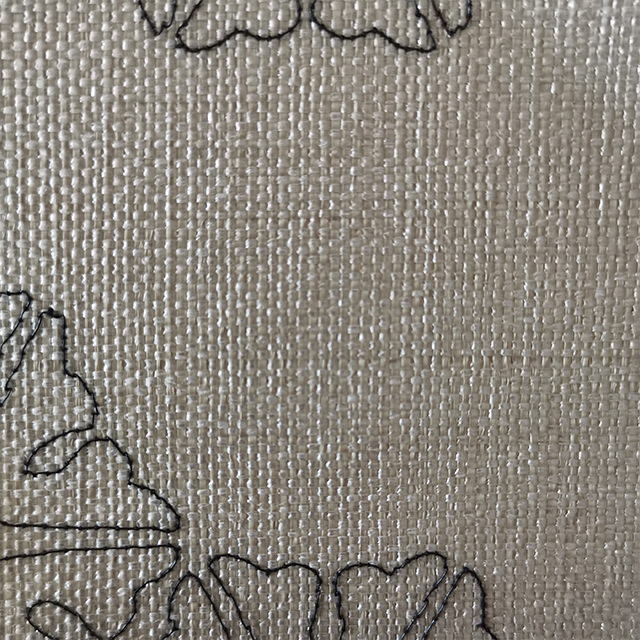
Investing in high-grade wallpaper backing is crucial for both immediate and long-term success. Choosing materials with superior tear resistance ensures a smoother, more efficient installation process. This not only saves time and reduces costs but also guarantees the wallpaper will maintain its beauty and integrity for years. For a professional, lasting result, the right backing is key. At Taixing Cinfudy Textile CO., LTD., their high-quality products, including wallcovering scrim and laminate backing, provide exceptional durability and performance, adding value to every wallpaper project.
A: Wallpaper backing is the material that supports the wallpaper during installation, ensuring durability and ease of application. High-quality wallpaper backing improves tear resistance, contributing to a smoother and more successful installation process.
A: High-grade wallpaper backing maximizes tear resistance, preventing issues like misalignment and tearing during installation. This ensures a more efficient process, saving time and reducing costs for a longer-lasting, professional result.
A: Choosing high-grade wallpaper backing ensures maximum tear resistance, leading to smoother installation and better adhesion. This results in fewer errors and a cleaner, more durable finish.
A: Maximizing tear resistance in wallpaper backing prevents damage during installation and over time, extending the lifespan of your wallpaper. It keeps your wallpaper intact and enhances its overall aesthetic appeal.
A: High-quality wallpaper backing provides superior tear resistance, preventing tears and misalignment during installation. It ensures better adhesion, smoother application, and a longer-lasting finish, making it a worthwhile investment for any wallpaper project.


