Jumbo Roll Scrim Backing Fabric

- All
- Product Name
- Product Keyword
- Product Model
- Product Summary
- Product Description
- Multi Field Search
Views: 0 Author: Site Editor Publish Time: 2025-12-03 Origin: Site


Did you know that the right wallpaper backing can make or break the durability of your commercial space? Choosing the best material can drastically affect the look and longevity of your wallpaper. In this article, we will explore the different types of wallpaper backing and how they impact commercial use. You will learn which material is best suited for high-traffic areas and long-term maintenance.
Wallpaper backing refers to the material that provides structural support to wallpaper. It helps ensure the wallpaper adheres to the wall, resists tearing, and provides a smooth surface for application. In commercial settings, selecting the right backing material is critical due to the heavy use and high wear-and-tear such spaces endure.
Wallpaper backing is the base layer that supports the wallpaper itself, typically made from paper, fabric, or synthetic materials. It helps secure the wallpaper on the wall and provides additional strength, especially in high-traffic areas.
The right wallpaper backing can greatly enhance the lifespan of your wallpaper. Commercial spaces, where foot traffic and environmental factors are harsher, require durable backing materials that can withstand frequent cleaning, moisture, and general wear. Poor backing materials, on the other hand, can result in peeling, fading, or tearing.
The backing material also affects the ease of installation and removal. Commercial spaces often need to update or refresh their wallpaper periodically. Materials like non-woven backings, for example, make wallpaper easier to remove without damaging the underlying wall surface. In contrast, traditional paper backings may require more time and effort during installation and removal.
There are several types of wallpaper backing materials commonly used in commercial environments. Each offers unique benefits depending on the needs of the space.
Paper backing is the most traditional and budget-friendly option for wallpaper. While it is suitable for low-traffic areas, it tends to be less durable and more prone to damage from moisture or physical stress. It's ideal for spaces that are less frequently used, such as offices with minimal foot traffic.
Non-woven backing is a popular choice in commercial spaces due to its durability, easy maintenance, and resistance to tears. It is also breathable, reducing the likelihood of mold and mildew buildup, which is especially important in humid environments like bathrooms and kitchens.
Vinyl-backed wallpaper is the go-to option for high-traffic areas. It offers excellent durability, is resistant to moisture, and can be easily cleaned. This makes it a top choice for places like restaurants, retail shops, and lobbies where the walls are frequently exposed to dirt, spills, and other stressors.
Fabric-backed wallpaper is a high-end option that provides a luxurious look and feel. It also serves as an excellent sound insulator, making it ideal for spaces like conference rooms or luxury hotels. However, it requires more care and maintenance compared to other materials.
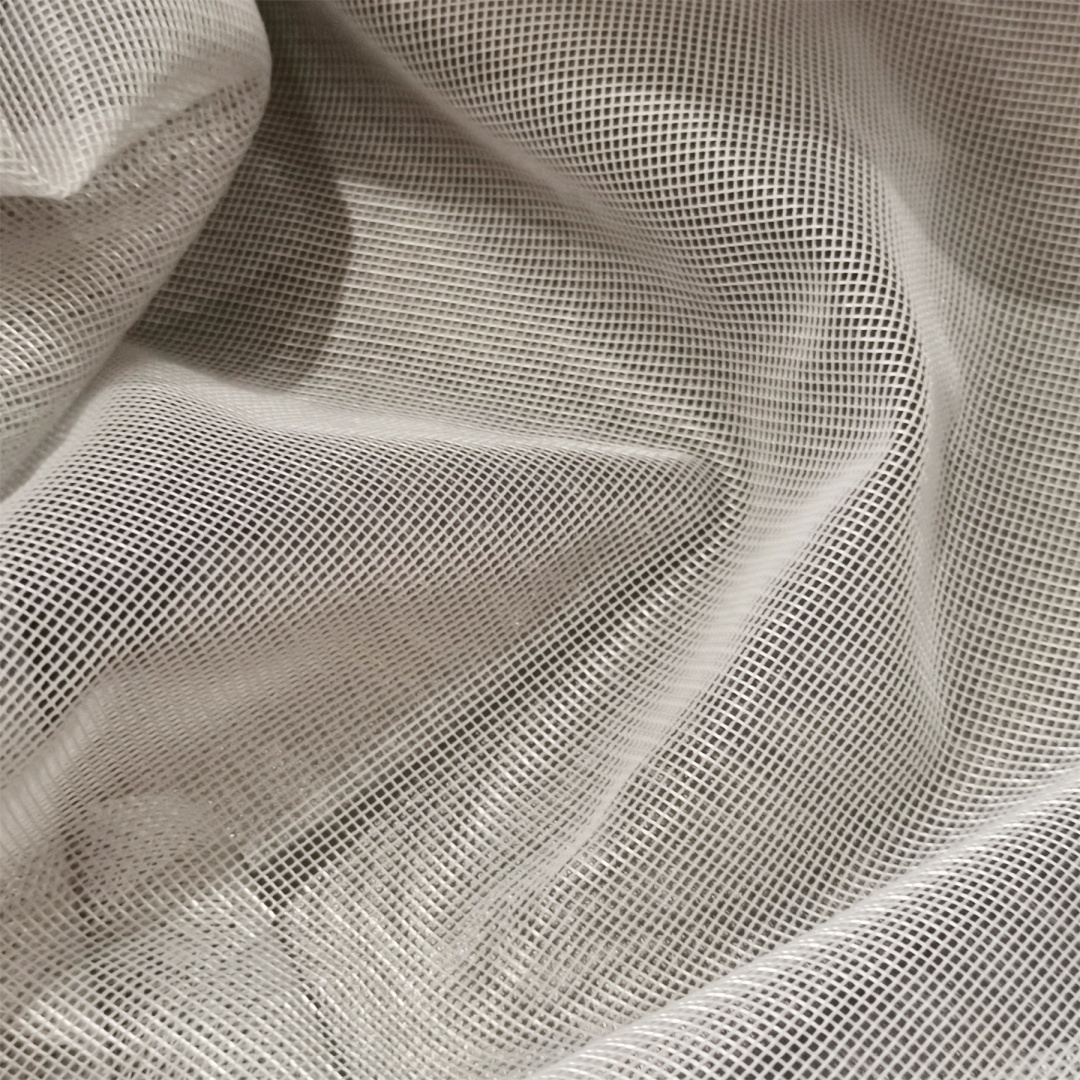
Choosing the right wallpaper backing for commercial spaces involves considering factors like traffic levels, moisture exposure, and the specific aesthetic goals for the space.
For high-traffic commercial spaces, such as retail stores or offices, durable wallpaper backing is essential. The material should withstand frequent cleaning and wear without compromising the look or functionality of the wallpaper. In humid areas, such as bathrooms, water-resistant backings like vinyl or non-woven are ideal.
The type of commercial environment you’re designing for also influences your choice of wallpaper backing. For example, vinyl-backed wallpaper works well in retail spaces due to its high durability, while fabric-backed wallpaper may be better suited for hospitality settings where aesthetics and acoustics are more important.
While aesthetics are important in commercial spaces, practicality should be equally prioritized. Choose wallpaper backings that offer durability and easy maintenance while still complementing the overall design of the space. For instance, in a modern office, non-woven or vinyl backings might offer a perfect balance of style and function.
The durability of wallpaper backing materials is crucial for commercial environments, where high traffic and wear are inevitable. Below is a comparison of how various materials stand up to these demands.
Wallpaper Backing Type | Best Suited For | Durability Level | Maintenance |
Paper Backing | Light traffic areas | Low | High |
Non-Woven Backing | High traffic, humid areas | High | Low |
Vinyl Backing | High-traffic areas, moisture-prone | Very High | Low |
Fabric Backing | Luxury spaces, sound insulation | High (with care) | Moderate |
Paper-backed wallpapers are less durable and may not withstand heavy traffic or exposure to moisture. They are best used in areas with minimal interaction, such as executive offices or waiting rooms.
Non-woven wallpaper backing is highly durable, tear-resistant, and flexible, making it ideal for spaces that require both aesthetic appeal and long-term performance. It is especially suitable for high-traffic areas that need frequent cleaning.
Vinyl-backed wallpaper is designed for durability. It is resistant to moisture, stains, and physical damage, making it the best choice for spaces that experience high levels of traffic or frequent cleaning, such as hospitals, schools, and busy retail outlets.
Fabric-backed wallpaper, although luxurious, requires more maintenance to preserve its longevity. However, when cared for properly, it can last for many years, making it an excellent choice for high-end hotels and luxury establishments.
When selecting wallpaper for commercial use, cost is a significant consideration. It’s important to find a balance between upfront cost and long-term value.
Backing Material | Initial Cost | Longevity | Maintenance Cost | Ideal Use Case |
Paper Backing | Low | Low | High | Low-traffic spaces |
Non-Woven Backing | Mid-range | High | Low | High-traffic spaces, offices |
Vinyl Backing | High | Very High | Low | High-traffic, moisture-prone areas |
Fabric Backing | Premium | High | Moderate | Luxury spaces, soundproof areas |
Although vinyl and fabric-backed wallpapers come with higher initial costs, their longevity and low maintenance needs can make them more cost-effective in the long run compared to paper-backed options, which may require more frequent replacement.
While paper-backed wallpaper might be cheaper initially, the cost of frequent replacements and repairs can add up over time. Non-woven and vinyl backings, although more expensive upfront, may save money in the long run due to their durability and low-maintenance needs.
As sustainability becomes a growing concern, choosing eco-friendly wallpaper backing materials has become a priority for many businesses.
Backing Material | Sustainability Features |
Paper Backing | Biodegradable, recyclable |
Non-Woven Backing | Fully recyclable, eco-friendly materials |
Vinyl Backing | PVC-free, eco-conscious alternatives |
Fabric Backing | Made from recycled fibers (optional) |
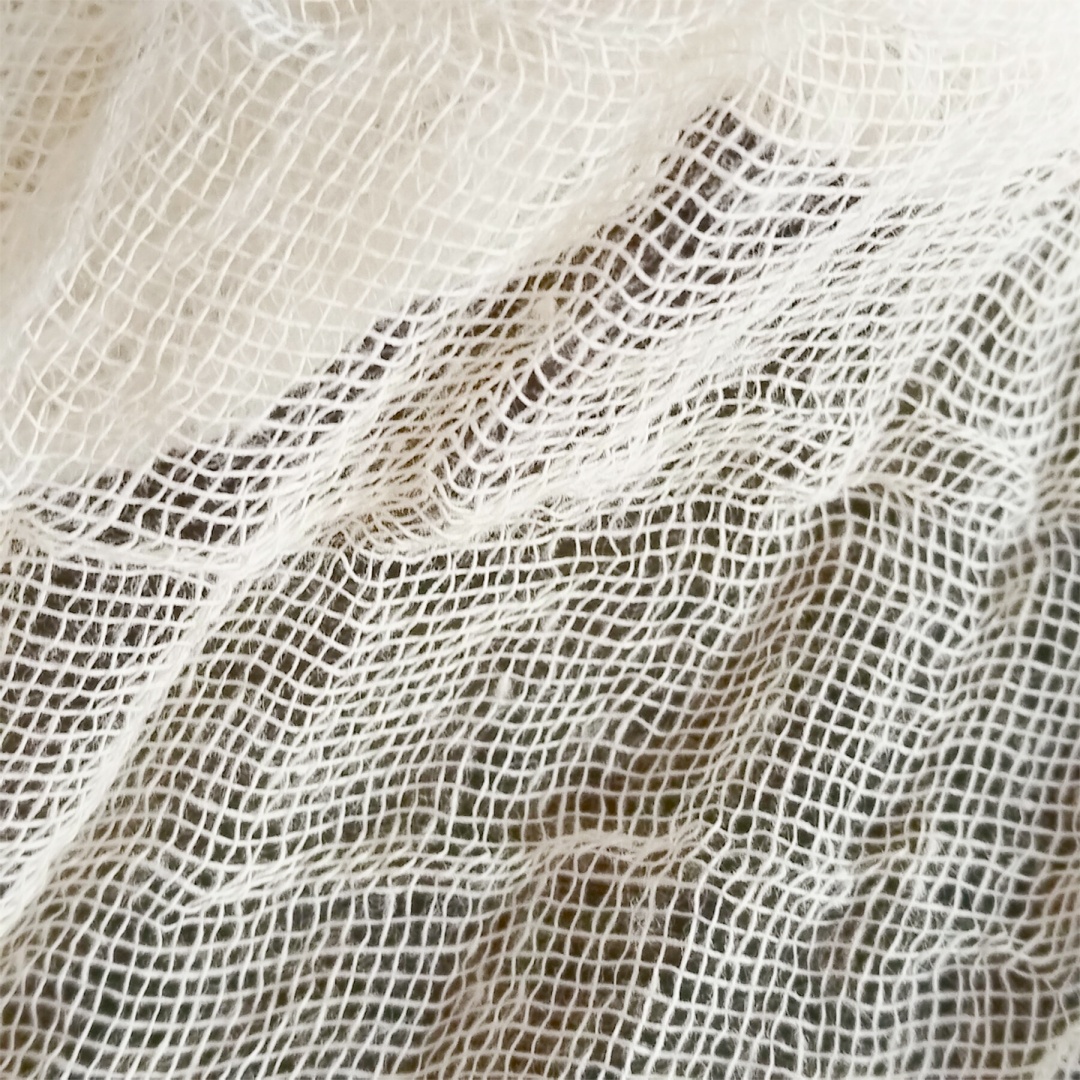
Paper-backed wallpaper is a natural, biodegradable option that is environmentally friendly. Many manufacturers now offer sustainable paper products that can be recycled, making it an eco-conscious choice for commercial spaces.
Non-woven wallpaper can also be made from eco-friendly materials, with some versions being fully recyclable. This makes them a great choice for businesses aiming to achieve green building certifications or reduce their environmental impact.
Vinyl-backed wallpapers traditionally use synthetic materials that are not always eco-friendly. However, more manufacturers are now offering PVC-free and environmentally safe alternatives. Fabric-backed wallpapers, while luxurious, may not always be sustainable unless sourced from recycled or eco-friendly fibers.
Maintaining wallpaper backing in commercial spaces is essential for extending the lifespan of both the wallpaper and the wall itself.
Regular cleaning helps preserve the appearance of wallpaper. Non-woven and vinyl-backed wallpapers are typically easier to clean, while fabric-backed wallpaper may require special care. Always follow manufacturer guidelines for cleaning.
To prevent wear, consider placing protective elements such as corner guards or installing wallpaper in areas with less direct contact. Regular inspections and touch-ups can also help maintain the wallpaper's appearance over time.
Watch for signs of wear, such as peeling, fading, or discoloration, which indicate it's time to replace your wallpaper. Damaged wallpaper not only looks unattractive but can also affect the overall ambiance and cleanliness of your commercial space.
Selecting the right wallpaper backing material is essential for maintaining a functional and aesthetically pleasing commercial space. Different materials, from paper to vinyl, offer unique benefits based on traffic levels and the specific needs of the environment. Durability, maintenance, and long-term value should all be considered when making your decision. Taixing Cinfudy Textile CO., LTD.offers high-quality fabrics designed to meet the rigorous demands of commercial spaces. Their products ensure both durability and style, providing excellent value for your business needs. As a professional manufacturer and exporter, Taixing Cinfudy specializes in various functional fabrics, including screen cloth, sapling root-wrapping gauze, woven base fabrics like wallcovering scrim, and laminate backing, ensuring the highest standards for commercial use.
A: Wallpaper backing is the material that provides support to the wallpaper, ensuring it adheres to the wall, resists tearing, and enhances durability, especially in commercial spaces.
A: The right wallpaper backing, such as vinyl or non-woven, can make maintenance easier by being more resistant to dirt, moisture, and wear, ensuring long-term durability.
A: Vinyl backing is ideal for high-traffic commercial areas as it offers excellent durability, moisture resistance, and is easy to clean, making it perfect for retail and hospitality settings.
A: Fabric-backed wallpaper is great for high-end commercial spaces where aesthetics and sound insulation are important, though it requires more maintenance compared to other materials.
A: While paper-backed wallpaper is less expensive, materials like vinyl and non-woven offer better long-term value by reducing maintenance and the need for frequent replacements.


